- Clear short-term goals
- Collaborative approach
- Evidence-informed methods
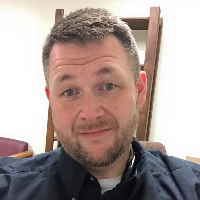
About Timothy
With 13 years of experience, he draws from several evidence-informed approaches to shape treatment to each person. He uses cognitive-behavioral methods to identify unhelpful thinking and build new habits. He also uses elements of dialectical behavior work for emotion regulation and acceptance and commitment ideas to clarify values and motivation.
Sessions focus on making small, doable changes rather than abstract goals. Timothy tailors conversations and plans so they address the immediate problem and the life pattern behind it. He aims to help people manage mood, handle relationship and family strain, cope with grief or trauma, and work through addictions and anger.
People working through career transitions, parenting stress, compassion fatigue, or military-related concerns may find the approach practical and goal-oriented. He stresses collaboration - clients help set priorities and pick the strategies that feel most useful. Timothy’s style is direct, respectful, and grounded in real-world tasks.
To begin, clients answer a short matching questionnaire and then schedule sessions based on availability. Sessions use a subscription model that can be canceled at any time.
Areas of expertise
Primary focus
Also works with
Additional focus areas
Therapeutic approaches
Experience
13+ years
Credentials
Florida
Languages
English
How Timothy’s Approaches Work Online
Acceptance and Commitment Therapy (ACT) helps people notice painful thoughts and feelings without letting them drive behavior. It focuses on clarifying personal values and taking actions that align with what matters most. Cognitive Behavioral Therapy (CBT) looks at how thoughts, feelings, and actions interact and teaches practical skills to change unhelpful patterns. Both approaches help with anxiety, depression, stress, and coping with life changes.Finding the right approach is a team effort. The therapist will work with each person to choose strategies that match their goals and day-to-day life. That means trying techniques, checking how they feel, and adjusting the plan together rather than following a fixed script.
If you are considering online sessions, confirm the current session options before booking. Online work can make it easier to fit therapy into a busy schedule, shorten travel time, and allow more flexible check-ins on tough days. It can also let someone use quieter surroundings, avoid long commutes, and schedule sessions around work or family commitments. Licensed professionals can adapt ACT and CBT techniques well to remote formats, using homework, guided exercises, and focused conversations to keep progress moving forward.
Frequently asked questions
What concerns does this therapist help with?
He works with stress, anxiety, depression, addictions, bipolar concerns, trauma and abuse, grief, anger, self-esteem, and career-related issues.
What is the therapy style like?
Sessions are collaborative and practical, focusing on talk that leads to small steps and skill building rather than long theoretical discussion.
How much clinical experience is offered?
The therapist brings 13 years of experience as a licensed clinical social worker working with a wide range of concerns.
Where is the therapist licensed and located?
He is a Florida licensed clinical social worker (LCSW) and lists Florida as his location.
Which languages are supported for sessions?
Sessions are offered in English.
Can international clients work together with this therapist?
International clients are not currently accepted.
How are sessions paid for and what does it cost?
Sessions use a subscription model that can be canceled at any time; specific cost varies with location and therapist availability.
What are the first steps to begin therapy?
Click the Start Therapy button, complete a short matching questionnaire, and then schedule sessions according to the therapist's availability.