
Michelle Pellin
LMHC, LPCConnecticut · 11 yrs exp
Career and life transition support
Stress, Anxiety · Parenting · Self esteem · Depression · +16 more
Read profileIndependent directory of licensed US therapists
Need help now? Call or text 988
Therapist listings are provided by BetterHelp. We will earn a commission at no extra cost to you if you use our links to buy.
This collection groups profiles of clinicians who list Coaching among their specialties so visitors can compare focus areas, approaches, credentials, languages, and listed location. Browse the profiles below to identify practitioners whose experience and style may match needs related to career and work stress.
Connecticut · 11 yrs exp
Career and life transition support
Stress, Anxiety · Parenting · Self esteem · Depression · +16 more
Read profile
Florida · 20 yrs exp
Experienced counselor focused on addiction and life changes
Stress, Anxiety · Addictions · Relationship · Self esteem · +16 more
Read profile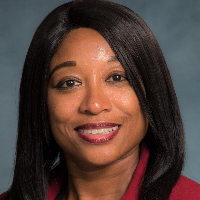
Georgia · 8 yrs exp
Compassionate counseling for life and career challenges
Stress, Anxiety · Relationship · Family · Grief · +11 more
Read profile
Florida · 23 yrs exp
Practical, goal-focused counseling for adults
Stress, Anxiety · Addictions · Self esteem · Depression · +10 more
Read profile
Maryland · 10 yrs exp
Helpful, goal-focused counseling
Stress, Anxiety · Relationship · Family · Intimacy-related issues · +12 more
Read profile
Florida · 25 yrs exp
Experienced LMHC focused on practical support
Stress, Anxiety · Family · Grief · Self esteem · +12 more
Read profile
North Carolina · 10 yrs exp
Faith-attentive clinical social worker
Stress, Anxiety · Relationship · Family · Bipolar · +16 more
Read profile
Florida · 15 yrs exp
Practical support for relationships and life change
Relationship · Family · Intimacy-related issues · Coaching · +4 more
Read profile
Florida · 30 yrs exp
Thoughtful counseling with practical strategies
Stress, Anxiety · Trauma and abuse · Bipolar · Depression · +16 more
Read profile
Florida · 18 yrs exp
Experienced Florida LMHC focused on practical change
Stress, Anxiety · Relationship · Grief · Depression · +12 more
Read profile
South Carolina · 20 yrs exp
Practical, skills-focused therapy for real problems
Stress, Anxiety · Relationship · Self esteem · Depression · +10 more
Read profile
Florida · 11 yrs exp
A collaborative, whole-person approach to change
Stress, Anxiety · LGBT · Relationship · Coping with life changes · +14 more
Read profile
North Carolina · 11 yrs exp
Practical, collaborative therapy for life challenges
Stress, Anxiety · Addictions · Family · Trauma and abuse · +10 more
Read profile
Georgia · 17 yrs exp
Career-minded counselor focused on practical change
Relationship · Family · Trauma and abuse · Career · +13 more
Read profile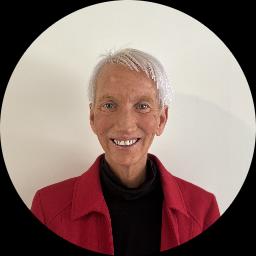
Pennsylvania · 15 yrs exp
Practical support for stress and life change
Stress, Anxiety · Trauma and abuse · Sleeping · Self esteem · +9 more
Read profile
North Carolina · 10 yrs exp
Somatic-minded counselor blending body and talk
Stress, Anxiety · LGBT · Relationship · Coping with life changes · +13 more
Read profile
Georgia · 18 yrs exp
Compassionate, practical therapy for life changes
Stress, Anxiety · Self esteem · Bipolar · Depression · +13 more
Read profile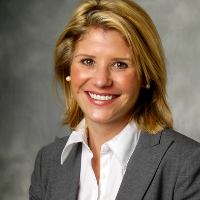
South Carolina · 20 yrs exp
Compassionate clinician guiding practical change
Stress, Anxiety · Relationship · Eating · Self esteem · +10 more
Read profile
Florida · 13 yrs exp
Compassionate, direct counseling for everyday challenges
Stress, Anxiety · Relationship · Intimacy-related issues · Depression · +15 more
Read profile
South Carolina · 13 yrs exp
Strength-focused, practical therapy
Stress, Anxiety · Family · Parenting · Self esteem · +10 more
Read profile
Florida · 17 yrs exp
Helping people move forward in work and life
Addictions · Trauma and abuse · Anger · Bipolar · +14 more
Read profile
Florida · 20 yrs exp
Empathetic clinician for stress and trauma
Stress, Anxiety · Addictions · Trauma and abuse · Grief · +14 more
Read profile
South Carolina · 21 yrs exp
Therapist focused on practical change
Stress, Anxiety · Trauma and abuse · Self esteem · Depression · +12 more
Read profile
South Carolina · 5 yrs exp
Practical, goal-focused counseling for real-life issues
Relationship · Family · Trauma and abuse · Intimacy-related issues · +15 more
Read profileWhen Coaching appears among a clinician's specialties, it signals that the clinician frames part of their work around goals, performance, transitions, or skill-building that intersect with career concerns. Coaching-focused conversations often center on clarity about next steps, practical strategies for managing workload, rebuilding confidence after job loss, or navigating a career change. In the context of career and work stress, Coaching can be one of several ways a clinician helps you explore options and practice new behaviors, but it is not a recruitment service or a replacement for human resources support. Therapists do not give recruitment, legal, HR, or financial advice and do not find jobs. That distinction is important when you are choosing among profiles for support that touches on income, contracts, or workplace disputes.
Because the directory groups clinicians by what they list on their profiles, Coaching may appear alongside other specialties and approaches. That means you may find clinicians who pair Coaching with talk-based therapy approaches, with skills-focused methods, or with experience addressing burnout and workplace conflict. Each clinician frames Coaching differently, so the label on a profile is a starting point for a conversation rather than a fixed package of services.
Many people seek help when work-related stress begins to affect daily functioning, sleep, relationships, or sense of identity. Burnout is frequently described as emotional exhaustion, reduced motivation, and a feeling of being overwhelmed by responsibilities. Job loss and involuntary transitions can prompt grief, anxiety about the future, or a need to reassess long-term goals. Career changes invite questions about transferable skills, values, and acceptable risk. Workplace conflict and power dynamics can create chronic stress that affects both performance and well-being. Confidence and imposter feelings at work are also common and often linked to feedback patterns, workplace culture, or previous experiences.
When you review profiles, look for language that reflects the issues you face. Some clinicians highlight experience with organizational stress and burnout, others emphasize transition planning or assertiveness at work, and some note experience with job-related anxiety and confidence building. Remember that a listed specialty does not guarantee a precise approach; it indicates an area the clinician has chosen to note on their profile and is a prompt for your follow-up questions.
Before deciding to reach out, it helps to prepare concrete questions that will clarify how a clinician might work with your concerns. Ask how the clinician typically frames Coaching in relation to career or workplace stress and whether they focus on goal-setting, behavioral rehearsal, problem-solving, or emotion-focused work. Inquire whether they have worked with people experiencing burnout, job loss, or workplace conflict and ask for examples of the kinds of strategies they discuss. If a clinician lists specific approaches on their profile, such as CBT, mindfulness, or EMDR, use language like therapists who list EMDR among their approaches when asking for clarification rather than assuming formal certification.
Verify the clinician's permission to practice where you are located by asking about licenses and registrations. Understand that academic degrees such as PhD, PsyD, MD, MA, or MSW describe educational attainment and are distinct from professional licenses or registrations. A degree alone does not establish current permission to practice in your state or country, so a direct question about licensure and the clinician's listed location is appropriate. Also ask whether sessions are conducted in languages you prefer, since many profiles note languages spoken and that can be an important part of fit.
If you plan to work remotely, clarify the practical and ethical aspects of online care during an initial conversation. Ask where the clinician is licensed to practice and whether they have permission to work with people in your listed location. Confirm how they handle privacy and data practices for remote sessions and whether they recommend a private space in your home or workplace for sessions. Discuss emergency planning - ask how the clinician manages crisis situations for people in your area and what local resources might be available.
It is also useful to ask about communication preferences outside of sessions, such as email or messaging, and how boundaries are managed. If you have specific scheduling needs or concerns about time zones, raise those early so you and the clinician can determine whether a working arrangement makes sense. Because information on a profile is limited, an upfront conversation helps set expectations about scope and focus and clarifies that the clinician will not provide recruitment, HR, legal, or financial services.
Comparing profiles effectively requires attention to the details that matter to you. Look for explicit mentions of the particular issues you need help with - burnout, career transition, workplace conflict, job loss, or confidence at work. Note secondary specialties that might be relevant, such as stress management or adjustment after job loss. Pay attention to the languages a clinician lists, since language concordance can affect nuance and comfort in discussions about work and identity. Review the educational credentials shown on profiles and then look for statements about licensure or registration; when in doubt, ask the clinician to confirm their license type and whether it permits practice in your listed location.
Style and relational fit are often as important as formal qualifications. Some clinicians emphasize a directive, skills-based coaching style while others describe a reflective or exploratory approach. Profiles sometimes mention the populations clinicians commonly work with or the typical concerns they address; use that to assess resonance with your situation. When you contact a clinician, consider asking for a brief conversation to sense whether their communication style aligns with your preferences. That conversation is your opportunity to discuss approach, what a typical session might focus on, and any practical considerations that affect whether you proceed.
Choosing a clinician from a set of profiles is a personal decision that benefits from clear questions and thoughtful comparison. Use the profile details as a map to guide your conversations, verify licensure and permission to work where you are, clarify scope regarding employment-related advice, and probe for the kinds of strategies and supports the clinician commonly offers. Those steps will help you identify clinicians whose combination of focus areas, approaches, credentials, languages, and style best match the work-related challenges you want to address.
Alabama
14 therapists
Alaska
2 therapists
Arizona
10 therapists
Arkansas
6 therapists
California
22 therapists
Colorado
10 therapists
Connecticut
7 therapists
Delaware
21 therapists
District of Columbia
31 therapists
Florida
1064 therapists
Georgia
307 therapists
Hawaii
4 therapists
Idaho
1 therapist
Illinois
12 therapists
Indiana
10 therapists
Iowa
1 therapist
Kansas
2 therapists
Kentucky
10 therapists
Louisiana
13 therapists
Maine
1 therapist
Maryland
154 therapists
Massachusetts
3 therapists
Michigan
10 therapists
Minnesota
3 therapists
Mississippi
5 therapists
Missouri
8 therapists
Nebraska
1 therapist
Nevada
4 therapists
New Hampshire
3 therapists
New Jersey
13 therapists
New Mexico
3 therapists
New York
22 therapists
North Carolina
408 therapists
Ohio
12 therapists
Oklahoma
3 therapists
Oregon
4 therapists
Pennsylvania
23 therapists
Rhode Island
2 therapists
South Carolina
201 therapists
Tennessee
10 therapists
Texas
36 therapists
Utah
5 therapists
Vermont
3 therapists
Virginia
182 therapists
Washington
4 therapists
West Virginia
33 therapists
Wisconsin
2 therapists
Wyoming
1 therapist