
Michelle Pellin
LMHC, LPCConnecticut · 11 yrs exp
Career and life transition support
Stress, Anxiety · Parenting · Self esteem · Depression · +16 more
Read profileIndependent directory of licensed US therapists
Need help now? Call or text 988
Therapist listings are provided by BetterHelp. We will earn a commission at no extra cost to you if you use our links to buy.
This page groups profiles of clinicians who list Addictions among their specialties and who may also address career and work stress. You can compare listed location, credentials, approaches, languages and therapeutic focus to identify profiles that match your needs.
Browse the profiles below to read each clinician's description and learn more about their focus areas and professional background.
Connecticut · 11 yrs exp
Career and life transition support
Stress, Anxiety · Parenting · Self esteem · Depression · +16 more
Read profile
Georgia · 20 yrs exp
Compassionate, practical care for life transitions
Stress, Anxiety · Addictions · Relationship · Self esteem · +12 more
Read profile
Florida · 14 yrs exp
Practical, compassionate support for life and career
Stress, Anxiety · Grief · Anger · Self esteem · +12 more
Read profile
Texas · 13 yrs exp
Compassionate LCSW focused on practical change
Stress, Anxiety · Relationship · Trauma and abuse · Anger · +11 more
Read profile
Florida · 20 yrs exp
Experienced counselor focused on addiction and life changes
Stress, Anxiety · Addictions · Relationship · Self esteem · +16 more
Read profile
Florida · 39 yrs exp
Experienced, grounded counselor with a warm style
Stress, Anxiety · Relationship · Family · Parenting · +14 more
Read profile
South Carolina · 14 yrs exp
Goal-focused therapist helping you move forward
Stress, Anxiety · Parenting · Depression · Addictions · +14 more
Read profile
North Carolina · 51 yrs exp
Practical counseling for relationships and career
Relationship · Intimacy-related issues · Parenting · Self esteem · +12 more
Read profile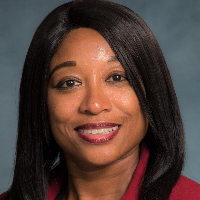
Georgia · 8 yrs exp
Compassionate counseling for life and career challenges
Stress, Anxiety · Relationship · Family · Grief · +11 more
Read profile
Florida · 10 yrs exp
Compassionate practical therapy for everyday challenges
Stress, Anxiety · Addictions · Anger · Depression · +12 more
Read profile
Florida · 25 yrs exp
Experienced counselor guiding practical change
Relationship · Trauma and abuse · Grief · Anger · +12 more
Read profile
Florida · 23 yrs exp
Practical, goal-focused counseling for adults
Stress, Anxiety · Addictions · Self esteem · Depression · +10 more
Read profile
Maryland · 10 yrs exp
Helpful, goal-focused counseling
Stress, Anxiety · Relationship · Family · Intimacy-related issues · +12 more
Read profile
North Carolina · 10 yrs exp
Faith-attentive clinical social worker
Stress, Anxiety · Relationship · Family · Bipolar · +16 more
Read profile
New York · 9 yrs exp
Calm guidance for life and career transitions
Stress, Anxiety · Anger · Self esteem · Depression · +13 more
Read profile
Florida · 13 yrs exp
Compassionate, practical counseling for life challenges
Stress, Anxiety · Anger · Depression · Coping with life changes · +13 more
Read profile
Florida · 3 yrs exp
Compassionate, practical counseling for life transitions
Stress, Anxiety · Family · Trauma and abuse · Self esteem · +15 more
Read profile
Georgia · 15 yrs exp
Practical, relationship-focused support for life changes
Stress, Anxiety · Grief · Intimacy-related issues · Self esteem · +10 more
Read profile
Florida · 30 yrs exp
Thoughtful counseling with practical strategies
Stress, Anxiety · Trauma and abuse · Bipolar · Depression · +16 more
Read profile
Florida · 17 yrs exp
Compassionate, goal-focused counseling
Stress, Anxiety · Parenting · Self esteem · Depression · +10 more
Read profile
Florida · 10 yrs exp
Calm, practical therapy for life and work challenges
Stress, Anxiety · Addictions · Family · Grief · +8 more
Read profile
Florida · 11 yrs exp
A collaborative, whole-person approach to change
Stress, Anxiety · LGBT · Relationship · Coping with life changes · +14 more
Read profile
Florida · 30 yrs exp
Experienced psychologist focused on practical change
Stress, Anxiety · Grief · Anger · Depression · +15 more
Read profile
Florida · 20 yrs exp
Calm, practical counseling for life transitions
Stress, Anxiety · Addictions · Relationship · Career · +7 more
Read profileIf you are dealing with substance use or behavioral patterns that feel out of control while also facing burnout, job loss, career change or ongoing workplace conflict, you are not alone in experiencing overlap between these concerns. Addiction-related behaviors can be entangled with how you cope with long hours, unrealistic expectations, repeated negative feedback, or the stress of a shifting industry. At the same time, career events such as layoffs, demotions, or shifts in responsibility can increase distress and influence how you use substances or other coping strategies.
It is important to note that the presence of one concern does not automatically cause the other. Addiction and work stress can influence each other in complex ways that depend on your personal history, work environment, and access to supports. When you read profiles here, look for language that describes whether a clinician explicitly notes experience working with job-related issues - for example burnout, workplace conflict, reduced confidence at work, or transitions like career change - alongside addiction-related concerns. That will help you find a clinician whose described focus aligns with the constellation of challenges you are facing.
Profiles on this page represent clinicians who list Addictions among their specialties and who often describe a range of approaches and areas of focus. Some profiles mention work on substance use, gambling, internet-related behaviors, or other patterns of compulsive activity. Others emphasize co-occurring stressors such as workplace anxiety, performance pressure, or the emotional fallout from job loss. Therapists may list various therapy approaches among their methods; for example, you will find therapists who list cognitive behavioral therapy among their approaches, therapists who list motivational interviewing among their approaches, and therapists who list EMDR among their approaches. Listing an approach is not evidence of certification or a guarantee that every clinician uses that approach with every client, so it is useful to ask how an approach would apply to your situation.
Be aware that clinicians do not act as recruiters, legal advisors, human resources consultants, or financial planners, and they do not find jobs. If you need employment services, legal guidance, or financial planning, you should seek a specialized professional for those needs. What therapists can provide is clinical support for the emotional, behavioral, and relational effects of addiction and work stress, helping you explore goals, coping strategies, and adjustments that relate to your career and well-being.
When you examine a profile, it helps to prepare specific questions that let you compare clinicians on the criteria that matter most to you. You might ask whether the therapist commonly works with people who are experiencing both addiction-related challenges and career-related stress, or whether they have experience helping people navigate job loss or workplace conflict. A practical question is how they talk about relapse risk and workplace triggers - do they focus on harm reduction, abstinence, lifestyle change, or a blended approach? You can also ask how they integrate career concerns - for example, whether they include work-focused strategies such as role rehearsal, boundary-setting, or communication skills as part of treatment planning.
Carefully distinguish academic degrees from professional licenses when reviewing profiles. Degrees such as PhD, PsyD, MD, MA, and MSW describe academic credentials. They are not the same as professional licenses or registrations such as LCSW, LMFT, LPC, or clinical psychology licensure, which indicate legal permission to practice in a jurisdiction. A degree alone does not establish current permission to practice. Ask directly about the clinician's professional license and whether they are authorized to work with clients in your state or listed location. Also inquire about the populations they typically work with, the languages they offer, and any relevant experience with the industry or career stage you occupy.
If you are considering care delivered remotely, bring up a few practical topics before beginning. Confirm whether the therapist is permitted by their licensing authority to provide services to people in your state or listed location. Discuss how they handle scheduling and emergencies - specifically, ask what steps you and the clinician would take if you needed urgent help outside session hours and which local resources or crisis services they would recommend in your area. Clarify how your information is handled and what kinds of records are kept, and ask about the technology platforms used for sessions so you can test connection, audio, and video in advance.
It is also helpful to talk about session format and goals so you know how the clinician structures work on addiction and career stress. You might ask whether they emphasize short-term problem solving or longer-term exploration, how they measure progress, and how they involve families or workplace supports if that is relevant to you. Discussing these points early gives you a clearer sense of how a clinician works and whether their style matches what you need.
Comparing profiles effectively means looking beyond a single sentence and reading how clinicians describe their focus areas and therapeutic style. Pay attention to whether a profile explicitly lists addiction types you are concerned about, whether it names work-related concerns such as burnout, workplace conflict, or career transition, and whether it mentions experience with populations similar to yours - for example, people in technical fields, shift workers, healthcare professionals, or those facing unemployment. Check the listed location to confirm whether geographic considerations might affect licensure and emergency planning.
Language and cultural competence are important. If you prefer to work in a language other than English, look for profiles that list your language. If cultural considerations are important, note whether a clinician mentions relevant population experience in their profile. When it comes to style, read for words that describe the clinician's approach - whether they frame therapy as collaborative problem solving, skills training, trauma processing, or reflective exploration. Concrete comparison questions you can use include: What is your experience working with both addiction-related behaviors and workplace stress? Which approaches do you commonly use for relapse prevention versus for career-focused concerns? Are you licensed to practice with clients in my listed location? What languages do you provide services in? What kinds of outcomes or next steps do you typically plan with clients who face similar issues?
Using these questions as you review profiles helps you shortlist clinicians whose described focus, experience, and style align with your needs. Then you can reach out to discuss specifics with any clinician whose profile resonates with you, remembering to verify professional licensure and permission to work in your state or listed location before beginning care.
Alabama
14 therapists
Alaska
2 therapists
Arizona
10 therapists
Arkansas
6 therapists
California
22 therapists
Colorado
10 therapists
Connecticut
7 therapists
Delaware
21 therapists
District of Columbia
31 therapists
Florida
1064 therapists
Georgia
307 therapists
Hawaii
4 therapists
Idaho
1 therapist
Illinois
12 therapists
Indiana
10 therapists
Iowa
1 therapist
Kansas
2 therapists
Kentucky
10 therapists
Louisiana
13 therapists
Maine
1 therapist
Maryland
154 therapists
Massachusetts
3 therapists
Michigan
10 therapists
Minnesota
3 therapists
Mississippi
5 therapists
Missouri
8 therapists
Nebraska
1 therapist
Nevada
4 therapists
New Hampshire
3 therapists
New Jersey
13 therapists
New Mexico
3 therapists
New York
22 therapists
North Carolina
408 therapists
Ohio
12 therapists
Oklahoma
3 therapists
Oregon
4 therapists
Pennsylvania
23 therapists
Rhode Island
2 therapists
South Carolina
201 therapists
Tennessee
10 therapists
Texas
36 therapists
Utah
5 therapists
Vermont
3 therapists
Virginia
182 therapists
Washington
4 therapists
West Virginia
33 therapists
Wisconsin
2 therapists
Wyoming
1 therapist