- Strengths based
- Goal focused
- Skill building
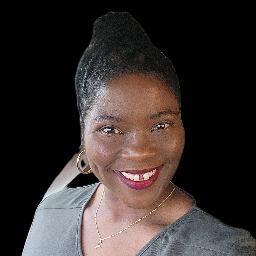
About Sharonda
She approaches work in a collaborative way, treating each person as the expert on their own life. Sessions often center on identifying strengths, setting small goals, and trying concrete strategies to feel better. Cognitive Behavioral Therapy techniques help people notice and change patterns that keep them stuck. Solution-Focused Therapy guides short-term goal setting and builds momentum through achievable steps.
Sharonda helps clients break problems into manageable parts. She uses clear tools and simple exercises rather than abstract talk. Many people come away with a plan they can follow at home and ways to measure progress.
Her background includes nearly two decades of clinical work in North Carolina. The LCMHC credential means she is a licensed clinical mental health counselor in the state. That experience informs her practical, strengths-based style.
If you are looking for hands-on support with anxiety, career questions, family concerns, or coping after loss, she offers structured approaches that focus on real change and steady progress.
Areas of expertise
Primary focus
Also works with
Additional focus areas
Therapeutic approaches
Experience
17+ years
Credentials
North Carolina
Languages
English
How her approaches translate to online work
Sharonda uses Cognitive Behavioral Therapy to help people recognize unhelpful thinking and behavior patterns and replace them with practical alternatives. CBT can help with anxiety, depression, stress, and mood concerns by offering exercises and small experiments to try between sessions.She also uses Solution-Focused Therapy, which concentrates on clear, achievable goals. This approach is useful when someone wants focused progress on a specific problem like career decisions, communication challenges, or parenting stress.
Finding the right approach is part of the work. She will collaborate with each person to choose methods that fit their goals and preferences. Together they will review what helps most and adjust the plan as needed.
If you are considering online therapy, confirm the session formats available before booking since specific formats are not listed in the biography. Online work can make it easier to fit appointments into a busy schedule, allow shorter check-ins when time is tight, and remove travel time so people can practice skills between obligations. Licensed professionals can adapt CBT and solution-focused tasks to an online setting so clients still get practical tools and measurable steps toward their goals.
Frequently asked questions
What kinds of concerns does she help with?
She supports people with stress, anxiety, depression, relationship and family issues, grief, addictions, career questions, parenting strain, trauma, and related concerns listed in her specialties.
How does she approach therapy?
Her style is collaborative and practical. Sessions focus on identifying strengths, setting small goals, and using hands-on strategies from CBT and solution-focused work.
How much experience does she have?
She has 17 years of experience working as a therapist in clinical settings in North Carolina.
What are her credentials and where does she practice?
She holds the LCMHC credential, which stands for licensed clinical mental health counselor, and practices in North Carolina.
Which languages are offered for sessions?
Sessions are offered in English.
Can people outside the U.S. work with her?
She does not accept international clients at this time.
How are fees handled?
Cost varies with location and therapist availability; sessions use a subscription that can be canceled at any time.
How do I begin a therapy match?
Click the Start Therapy button, complete a short matching questionnaire, and schedule according to the therapist's availability.