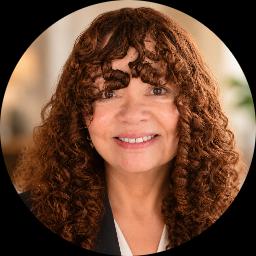
- Warm and nonjudgmental
- Goal focused help
- Strengths oriented
About Rhonda
Rhonda uses straightforward, evidence-informed methods like cognitive behavioral techniques and person-centered work. She pays attention to how culture, identity, and daily life shape a person's struggles. Sessions aim to identify clear goals and small, doable actions that fit each person's situation.
Her background includes work in partial hospitalization, outpatient care, home visits, and schools. That range has shaped a flexible approach that adapts to different challenges and levels of need. She emphasizes strengths and real-world coping skills as part of care.
People come to Rhonda for help with stress, grief, family conflict, parenting strain, addiction concerns, ADHD-related difficulties, and intimacy or attachment issues. She also supports those dealing with compassion fatigue, caregiving burden, body image, and recovery after abuse or relationship separation.
Rhonda describes her role as a partner in change. She listens, offers empathy, and helps design a plan based on each person's goals. The work moves at a pace the client can manage, with attention to long-term wellbeing rather than quick fixes.
Areas of expertise
Primary focus
Also works with
Additional focus areas
Therapeutic approaches
Experience
15+ years
Credentials
Georgia
Languages
English
How therapeutic approaches guide online work
Acceptance and Commitment Therapy, or ACT, helps people notice unhelpful thoughts and choose actions that match their values. It can be useful for anxiety, low mood, and navigating life transitions. Cognitive Behavioral Therapy, or CBT, focuses on practical skills to change thinking patterns and behaviors that keep problems going, and it often helps with anxiety, depression, and sleep problems. Attachment-Based Therapy looks at how early bonds shape current relationships and can help with intimacy, attachment issues, and patterns that repeat across relationships.Choosing the best approach is part of the process. The therapist collaborates with each person to match methods to their goals, needs, and personal preferences. That means plans can change as work progresses and new needs emerge.
The biography does not list specific online session formats, so confirm available options before booking. Online work can still make therapy fit into a busy life by reducing travel time, making it easier to schedule a midday check-in, or allowing sessions when a short phone call or a video meeting is more practical. Many people find this flexibility helps them keep momentum between sessions while working toward clear goals with a licensed professional.
Frequently asked questions
What concerns does Rhonda address?
She helps with stress, anxiety, depression, trauma and abuse, relationship and family conflict, addictions, grief, parenting strain, career concerns, ADHD, and related issues.
What is her therapeutic style?
Rhonda works in a warm, accepting, and supportive way. She focuses on building trust, identifying goals, and using practical techniques people can apply day to day.
How much experience does she have?
She has 15 years of professional experience in mental health settings such as partial hospitalization, outpatient care, home visits, and schools.
What credentials and location apply to Rhonda?
She holds LCSW and CSW credentials and practices in Georgia.
In which language are sessions offered and are international clients supported?
Sessions are offered in English. International clients are not currently accepted.
What session formats are available?
The original biography does not list specific session formats. Please confirm current session options before booking.
How are fees and payment handled?
Cost varies with location and therapist availability; sessions use a subscription that can be canceled at any time.
How do I begin working with Rhonda?
Use the Start Therapy button, complete a short matching questionnaire, and schedule according to therapist availability.