- Strengths focused
- Skills and coping
- Career guidance
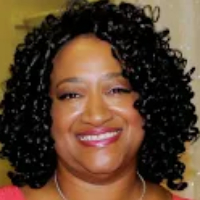
About Monique
She starts by listening closely to what matters to each person and meeting them where they are. That connection guides how she chooses tools and goals. Monique uses a mix of client-centered work, cognitive behavioral strategies, dialectical behavior techniques, mindfulness, and motivational interviewing depending on the situation.
Sessions often include practical skill building for emotion regulation, communication, and coping with life changes. She emphasises identifying existing strengths and skills that clients can use right away. People who want to address grief, parenting stress, sleep problems, ADHD-related struggles, or career transitions may find concrete, skills-focused support.
Monique works collaboratively on treatment goals and checks in about which techniques feel useful. She keeps the tone supportive and compassionate while helping clients try new strategies. Her style blends solution-focused steps with deeper attention to emotion and behavior.
For someone looking to change patterns, handle difficult feelings, or find clearer direction at work or in relationships, Monique offers steady guidance and practical tools over time.
Areas of expertise
Primary focus
Also works with
Additional focus areas
Therapeutic approaches
Experience
13+ years
Credentials
North Carolina, South Carolina
Languages
English
How her approaches translate to online work
Client-Centered Therapy focuses on building a respectful, understanding relationship first. Online sessions can still prioritize listening, acceptance, and working from the client’s own goals to guide progress. Cognitive Behavioral Therapy, or CBT, uses practical exercises to change thinking and behavior. In remote sessions this often means setting small tasks between meetings and reviewing results together to reduce anxiety or improve sleep.Choosing the right approach is a collaborative process. Monique will talk with each person about what feels most helpful and adapt techniques based on needs, goals, and preferences. She checks in about how approaches are working and swaps methods if something isn’t a good fit.
The profile does not specify which session formats are provided, so confirm current options before booking. In general, online therapy can make it easier to fit sessions into a busy life, reduce time spent traveling, and support steady progress through regular check-ins and homework. It can also allow for shorter or more frequent meetings when that helps with coaching, crisis coping, or skill practice. Licensed professionals can use remote sessions to teach concrete tools for stress, anger, communication, and career planning that you can apply between meetings.
Frequently asked questions
What concerns does she address?
Monique works with stress, anxiety, depression, addictions, relationship and family issues, grief, career questions, ADHD, and related concerns.
What is her therapy style like?
Her style is person-centered and collaborative, using practical skills and clear goals while remaining supportive and compassionate.
How much experience does she have?
She has 13 years of clinical experience working with a range of concerns across individual and group settings.
What are her credentials and where is she located?
She holds LPC and LCMHC credentials and practices in North Carolina.
In which language are sessions offered?
Sessions are offered in English and international clients are not currently accepted.
What session formats are available?
The biography does not list explicit session formats for this profile, so please confirm current session options before booking.
How does payment work and what does it cost?
Cost varies with location and therapist availability; sessions use a subscription that can be canceled at any time.
How do I begin working with her?
Select the Start Therapy button, complete a short matching questionnaire, and schedule according to the therapist's availability.