- Client-centered
- Practical tools
- Multicultural approach
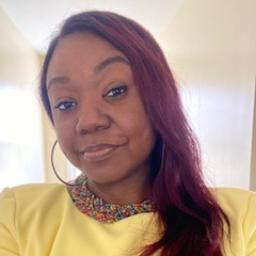
About Monique
Her approach centers on the person in front of her. Monique uses methods such as Client-Centered Therapy and Cognitive Behavioral Therapy to help people name patterns and try new responses. She blends practical tools with reflective conversation to help people manage moods, build better communication, and cope with life changes.
Monique aims to create an empathetic, non-judgmental space. She describes her work as multicultural and open-minded, and she focuses on validating strength while helping clients set realistic goals. That tone guides how she frames progress and next steps.
Over nearly two decades she has supported people with a wide range of concerns, including ADHD, bipolar mood issues, trauma and abuse, eating and sleeping difficulties, and compassion fatigue. She also addresses relational matters like communication problems, blended family stress, abandonment, and divorce or separation.
Sessions emphasize collaboration and practical steps. Monique offers motivational interviewing and mindfulness tools when helpful and draws on emotionally focused ideas for relationship concerns. People are invited to set the pace and priorities for their work together.
Areas of expertise
Primary focus
Also works with
Additional focus areas
Therapeutic approaches
Experience
17+ years
Credentials
North Carolina
Languages
English
How Monique’s Approaches Work online
Client-Centered Therapy focuses on the client’s experience and priorities. The therapist listens, mirrors what’s said, and helps people name their needs so they can choose their next steps. This approach is useful when someone needs a supportive space to sort through feelings and values.Cognitive Behavioral Therapy, or CBT, looks at how thoughts, feelings, and actions connect. It offers practical exercises and small experiments to test new behaviors, which can help with anxiety, depression, and managing daily tasks.
Emotionally-Focused Therapy helps people notice and change negative interaction patterns in close relationships. It supports clearer communication and stronger emotional bonds when relational pain or attachment worries are present.
Finding the right approach is part of the work. Monique will talk with each person about goals, preferences, and what has helped or not helped before. Together they decide which methods to try and adjust them as progress is made.
Confirm current session options before booking so you know how sessions are delivered. Online therapy can make it easier to fit appointments into a busy week, allow shorter check-ins when needed, and avoid travel time. It also lets people work with a licensed professional who has relevant experience even if they live far from North Carolina.
Frequently asked questions
What concerns does Monique commonly help with?
She helps with stress, anxiety, addictions, depression, trauma and relationship and family challenges, plus career and parenting issues.
What is her therapeutic style like?
Her style is person-centered and collaborative, using practical strategies and reflective talk to set goals and try new behaviors.
How much experience does she have?
She has 17 years of experience working with a range of concerns and diagnoses.
What are her credentials and where is she based?
She holds the LCMHC credential and practices from North Carolina.
Which languages are supported and can international clients connect?
Sessions are offered in English and she accepts international clients.
What session formats are available?
Please confirm current session options before booking so you know which formats are offered.
How much do sessions cost?
Cost varies with location and therapist availability; sessions use a subscription that can be canceled at any time.
How do I begin working together?
Select the Start Therapy button, complete the short matching questionnaire, and schedule according to therapist availability.