- Action focused
- ADHD support
- Career coaching
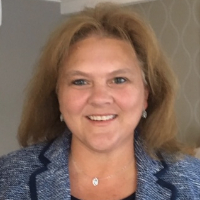
About Michelle
She uses a straightforward, practical style that focuses on self-awareness and action. Sessions often look at how a person’s thinking and habits affect daily life. Michelle mixes conversational coaching with focused strategies so insight leads to change.
Her background includes counseling, coaching, and roles in schools, universities, corporations, and private practice. She also holds a Master’s in Counseling and an MBA from Wake Forest University. Those experiences inform a practical approach to problem solving and goal setting.
Michelle works with people with ADHD across adolescent, college, and adult stages to create coping strategies and routines. She also helps professionals and entrepreneurs organize priorities, manage tasks, and build more effective work habits.
Clients can expect a collaborative tone in sessions. Michelle emphasizes understanding how a person’s brain and life demands interact. From that starting point she helps build small, manageable steps toward clearer goals and steadier functioning.
Areas of expertise
Primary focus
Also works with
Additional focus areas
Therapeutic approaches
Experience
20+ years
Credentials
North Carolina
Languages
English
How therapeutic approaches guide online work
Client-Centered Therapy focuses on listening and building understanding. The therapist follows the person’s priorities and helps them find their own solutions, which can be useful for exploring career decisions, grief, and relationship questions.Cognitive Behavioral Therapy, or CBT, looks at how thoughts, feelings, and behaviors interact. It uses concrete exercises and practice to shift unhelpful thinking and build new habits, which can help with anxiety, depression, and sleep or eating issues.
Finding the right approach is part of the process. The therapist will work with clients to pick methods that fit their goals, needs, and personal preferences. That choice is collaborative and may change as work progresses.
Confirm available session options before booking, since the profile does not list specific formats. Online therapy can make it easier to fit sessions into a busy week, allow for shorter check-ins when needed, and reduce travel time. Many people find that meeting with a licensed professional remotely helps keep momentum between sessions and lets them apply new strategies directly in their daily routines.
Frequently asked questions
What concerns does Michelle commonly address?
She helps people with stress, anxiety, career concerns, ADHD, addictions, grief, depression, and life changes. She also supports issues like parenting strain, sleep and eating problems, anger, and intimacy-related concerns.
What is her therapeutic approach and style?
Her style is practical and collaborative. She emphasizes self-awareness, authentic connection, and turning insight into concrete steps forward.
How much experience does she bring to sessions?
She has twenty years of combined experience in counseling, coaching, and education across schools, universities, corporations, and private practice.
What credentials and location should I know about?
She holds the LCMHC credential and practices in North Carolina. Her bio also notes a Master’s in Counseling and an MBA from Wake Forest University.
Are sessions offered in other languages or internationally?
Sessions are offered in English. She does accept international clients.
What session formats are available?
Please confirm current session options before booking, as the biography does not list specific formats. Check the booking flow for the most up-to-date choices.
How is cost handled for sessions?
Cost varies with location and therapist availability, and sessions use a subscription that can be canceled at any time. Exact pricing is provided during the sign-up process.
How do I begin working with her?
Select the Start Therapy button, complete a short matching questionnaire, and schedule according to therapist availability.