- Strengths-focused
- Career-aware support
- Action oriented
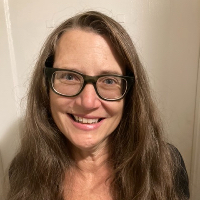
About May
She has ten years of experience, including work in an intensive outpatient mental health setting. That background means she is familiar with people managing anxiety, depression, addiction, trauma, and mood differences. She also helps with career concerns and life transitions.
In sessions she draws on practical methods like cognitive behavioral ideas and acceptance-based strategies. She also uses attachment-informed and client-centered ways of working, so conversations stay grounded in the client's immediate experience. These approaches are used to address worries such as panic, obsessions, low self-esteem, and relationship patterns.
People who come for help can expect a partnership where the therapist listens, asks concrete questions, and suggests steps to try between sessions. May emphasizes small, doable changes and tracking what actually helps day to day.
She works in English and accepts international clients. To begin, clients use the site's Start Therapy process to complete a short matching questionnaire and schedule sessions according to availability.
Areas of expertise
Primary focus
Also works with
Additional focus areas
Therapeutic approaches
Experience
10+ years
Credentials
South Carolina
Languages
English
How May's Approaches Fit into Online Work
Acceptance and Commitment Therapy (ACT) helps people notice difficult thoughts and feelings without getting stuck in them, then choose actions that match their values. It is often used for anxiety, stress, and life transitions. Cognitive Behavioral Therapy (CBT) focuses on patterns of thinking and behavior that keep problems going and offers concrete skills to change them; it tends to help with panic, mood disorders, obsessions, and sleep or eating concerns. Attachment-Based Therapy pays attention to how early and current relationship patterns affect trust and closeness, which can be useful for relationship and intimacy concerns.Finding the right approach is part of therapy. The therapist will work together with the client to identify goals and try methods that feel useful. That collaboration means approaches can be adjusted as needs and priorities change.
Confirm current session options before booking, since formats are set by the therapist. Online work can make it easier to fit sessions around work, caregiving, or travel. It also lets people try shorter check-ins, avoid commuting time, or choose sessions that match their daily schedule. Licensed professionals can guide how to use therapy exercises between meetings to keep progress moving in everyday life.
Frequently asked questions
What kinds of problems does May address?
She helps people with stress, anxiety, depression, trauma and abuse, addictions, self-esteem, relationship and intimacy issues, grief, sleep and eating concerns, career questions, and coping with life changes.
What is her general therapy style?
Sessions are collaborative and client-centered, with a focus on practical steps. She blends cognitive behavioral ideas and acceptance-based approaches while attending to attachment patterns.
How much experience does she have?
May has ten years of clinical experience, including work in an intensive outpatient mental health setting.
Where is she licensed and based?
She holds an LPC credential and practices from South Carolina.
Can sessions be held in languages other than English?
Sessions are offered in English.
Are international clients supported?
Yes, international clients are accepted.
How are fees and billing handled?
Cost varies with location and therapist availability; sessions use a subscription that can be canceled at any time.
What steps should I take to get started?
Select the Start Therapy button, complete a short matching questionnaire, and then schedule sessions according to therapist availability.