- Relationship focus
- Career coaching
- Grief and trauma
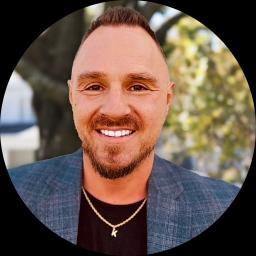
About Kyle
Kyle trained in counseling and psychology and also holds degrees in communication and biblical studies. He draws on five years of clinical experience to create straightforward, practical sessions. Conversations are respectful and focused on what matters most to the client.
In sessions Kyle listens first, then helps shape goals that feel manageable. He adapts the pace and tools to each person, using approaches that match the problem and the person’s style. Some people want structured strategies, while others need space to process feelings and rebuild connection.
Kyle commonly uses acceptance and commitment ideas, attachment-focused work, and client-centered listening alongside cognitive and behavioral tools when useful. He explains options plainly and tests what works in real life rather than relying on jargon.
Working with Kyle is collaborative. He supports people as they try new ways of relating, set career or life goals, and build steadier coping skills. To begin, readers are encouraged to follow the site’s process to connect and answer a short matching questionnaire before scheduling.
Areas of expertise
Primary focus
Also works with
Additional focus areas
Therapeutic approaches
Experience
5+ years
Credentials
West Virginia, Virginia
Languages
English
Online approaches and how they fit your life
Acceptance and Commitment Therapy (ACT) focuses on clarifying values and taking small actions that matter, which can help when anxiety, depression, or career doubts keep you stuck. Attachment-Based Therapy looks at how past relationship patterns shape current connections and can help when intimacy or trust issues keep repeating. Client-Centered Therapy centers on empathic listening and the client’s own pace, useful when someone needs a supportive space to sort feelings.Finding the right approach is part of the work. The therapist will talk with each person about goals and preferences, then try approaches that match those needs. That choice is collaborative and may shift as progress is made.
The biography does not list specific online session formats, so confirm current options before booking. Online therapy can make it easier to fit sessions into a busy week, save travel time, and allow shorter check-ins when schedules demand. It can also let people use audio-only sessions if they prefer less bandwidth or less time on camera. Licensed professionals can help clients translate in-person methods into remote sessions and adapt exercises so they work in daily life.
Frequently asked questions
What concerns does Kyle commonly address?
He works with relationship and intimacy issues, career and coaching needs, self-esteem, stress, anxiety, depression, grief, trauma, addictions, and related family concerns.
What is his general therapeutic style?
Sessions emphasize listening, practical goal setting, and adapting methods to fit the person. Conversations balance skills practice with space to process emotions.
How much clinical experience does he have?
Kyle has five years of experience working with clients on mood, relationship, and life transition challenges.
What credentials and where is he licensed?
He holds the LPC credential and is licensed in West Virginia and Virginia.
Which languages are supported for sessions?
Sessions are offered in English and international clients are accepted.
What session formats are available?
The original biography does not specify session formats; please confirm current session options before booking.
How are sessions paid for and what does cost look like?
Cost varies with location and therapist availability, and sessions use a subscription that can be canceled at any time.
What should I do to get started?
Select the Start Therapy button, complete a short matching questionnaire, and schedule according to the therapist's availability.