- Values-focused work
- Practical coping skills
- Trauma symptom support
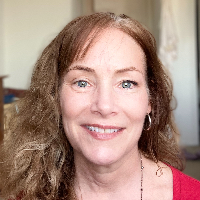
About Kathryn
She blends acceptance and commitment ideas with client-centered listening to help people notice what matters and take small steps toward it. Cognitive behavioral techniques are part of what she offers to change unhelpful thinking and behavior patterns. Kathy also uses psychodynamic ideas to look at recurring patterns that may fuel depression, anxiety, or relationship difficulties.
Her work includes support for trauma and abuse survivors, and she has training in Traumatic Incident Reduction for reducing trauma-related symptoms. She also helps people facing grief, addiction, sleep and eating concerns, and caregiving stress. Career questions are part of her focus and she can help people sort decisions and work-related strain.
Kathy earned her social work degree from Columbia University School of Social Work and holds a Florida LCSW. She has nine years of practice experience working with adults on a range of life challenges. Sessions aim to be collaborative and practical, so people leave with clearer next steps.
To begin, she asks about what matters most to the client and builds a plan that fits their goals and daily life. The emphasis is on realistic changes that support better coping and steadier functioning.
Areas of expertise
Primary focus
Also works with
Additional focus areas
Therapeutic approaches
Experience
9+ years
Credentials
Florida
Languages
English
How therapeutic approaches guide online work
Acceptance and Commitment Therapy (ACT) helps people clarify what really matters to them and take small actions aligned with those values, which can reduce stuck feelings. Client-Centered Therapy focuses on listening and responding without judgment so clients can explore concerns and make choices at their own pace. Cognitive Behavioral Therapy (CBT) targets the connection between thoughts, feelings, and actions and offers concrete techniques for changing unhelpful patterns.Finding the right mix of approaches is part of the process. The therapist will collaborate with each person to decide which methods fit their needs, goals, and preferences. That choice can change over time as progress is made or new issues arise.
The biography does not list specific session formats, so confirm available options before booking. In general, online therapy can make it easier to fit sessions into a busy life - for example, it can reduce commute time, allow a shorter check-in during a lunch break, or let someone choose audio-only options when that suits them better. These practical benefits can help keep therapy consistent while working toward goals.
Frequently asked questions
What concerns does this therapist commonly address?
Kathy helps with stress, anxiety, depression, relationship and intimacy issues, grief, addictions, career questions, trauma and abuse, self-esteem, and caregiving strain.
What is her therapeutic style like?
She combines acceptance and commitment ideas, client-centered listening, and cognitive behavioral tools to create practical plans focused on values and behavior change.
What experience does she bring to sessions?
She has nine years of clinical experience and combines psychodynamic perspectives with trauma-focused methods to address recurring patterns and trauma symptoms.
What credentials and location apply to this therapist?
She holds an LCSW credential and practices in Florida as indicated by her Florida LCSW.
Which languages are offered and are international clients served?
Sessions are offered in English, and she does not accept international clients at this time.
What session formats are available?
The original biography does not specify session formats; please confirm current session options before booking.
How does pricing work for sessions?
Cost varies with location and therapist availability; sessions use a subscription that can be canceled at any time.
How do I get started with this therapist?
Select the Start Therapy button, complete a short matching questionnaire, and schedule based on the therapist's availability.