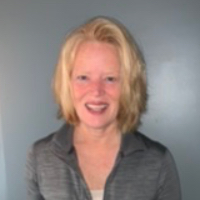
- LMHC in Florida
- Ten years experience
- Career and life transitions
About Jerrilynn
Jerrilynn listens for patterns that keep someone repeating painful behaviors. She helps people name unhelpful self-talk and change it. Her approach combines gentle challenge with practical steps so clients can try new ways of coping and relating.
She draws on several well-known therapy styles to match the work to each person. Sessions often include skills practice, reflection on past hurts, and attention to how thoughts influence actions. Many clients come for help with stress, anxiety, addiction, depression, trauma, grief, and relationship or career concerns.
Her practice supports work on boundaries, codependency, anger, parenting strain, and issues around identity and intimacy. She also helps people manage chronic health challenges, caregiving stress, and life transitions. The goal is steady, achievable change rather than quick fixes.
Jerrilynn encourages self-compassion, accountability, and practical problem solving. She asks straightforward questions and offers tools clients can use between sessions. To begin, people complete a short matching questionnaire and schedule according to the therapist's availability.
Areas of expertise
Primary focus
Also works with
Additional focus areas
Therapeutic approaches
Experience
10+ years
Credentials
New York, Florida
Languages
English
How these approaches shape online work
Acceptance and Commitment Therapy (ACT) invites people to notice painful thoughts and feelings without getting so caught up in them, then choose actions that match their values. It is often used for anxiety, depression, and life changes. Cognitive Behavioral Therapy (CBT) focuses on identifying patterns of thinking that drive unhelpful behavior and replacing them with clearer, more useful ways of thinking. CBT is commonly used for mood, anxiety, and some eating and sleeping issues.Finding the right approach is part of the work together. The therapist will talk with each person about goals, preferences, and what has helped or not helped in the past. That conversation guides whether ACT, CBT, attachment-focused ideas, or a blend of methods is tried first, and adjustments are made as therapy proceeds.
Practical benefits of online therapy include fitting sessions into a busy week and keeping momentum between appointments. Because session formats are not specified here, please confirm current session options before booking. Online sessions can make it easier to maintain continuity during life transitions, allow for brief check-ins when needed, and reduce travel time so therapy fits into work or family schedules.
Frequently asked questions
What concerns does she help with?
She works with a broad range of issues including addiction, trauma, grief, depression, anxiety, stress, relationship and intimacy concerns, eating and sleeping problems, parenting strain, anger, self-esteem, career issues, bipolar disorder, ADHD, and compassion fatigue.
What is her therapeutic style like?
Her style balances listening and practical guidance. She helps people change unhelpful self-talk, practice new coping skills, and explore past experiences that shape current behavior.
How much clinical experience does she have?
She has ten years of professional experience as a mental health counselor working with clients on substance use, trauma, mood concerns, and life transitions.
What are her credentials and where is she based?
She is a licensed mental health counselor (LMHC) licensed in Florida and New York, and she practices from Florida.
Which languages are sessions offered in?
Sessions are offered in English.
Does she work with international clients?
She does not accept international clients at this time.
How does billing and cost work?
Cost varies with location and therapist availability; sessions use a subscription that can be canceled at any time.
How do I begin working with her?
Start by selecting the Start Therapy button, completing a short matching questionnaire, and then scheduling based on the therapist's availability.