- Collaborative approach
- Trauma-informed care
- Practical skills
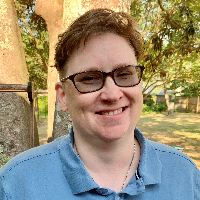
About Heather
She brings about 10 years of clinical experience and a background that includes work with elder care, community mental health, university students, and LGBTQIAP+ communities. That experience informs how she approaches trauma, dissociative disorders, and stress-related concerns. Heather also draws on her own lived experience to inform her perspective and advocacy.
Her therapeutic style centers on collaboration. She uses client-centered methods to meet people where they are and tailor goals to each person’s situation. She also integrates approaches like Dialectical Behavior Therapy and Emotionally-Focused Therapy when skills training or emotion-focused work fits the needs presented.
Heather incorporates trauma-focused techniques such as Eye Movement Desensitization and Reprocessing where appropriate, along with mindfulness and expressive arts to help people process difficult material. She emphasizes practical skills alongside processing so clients can use strategies between sessions.
Outside clinical work she engages in dance, music, and songwriting, and advocates through blogs, interviews, and presentations about dissociative identity disorder. Her practice is based in North Carolina and she offers services in English.
Areas of expertise
Primary focus
Also works with
Additional focus areas
Therapeutic approaches
Experience
10+ years
Credentials
North Carolina
Languages
English
Approaches that guide online work
Client-Centered Therapy focuses on listening and reflecting so the client feels understood and can set their own goals; it helps people who want a gentle, person-led pace for change. Dialectical Behavior Therapy (DBT) teaches practical skills for managing intense emotions and improving relationships, which is useful for stress, anger, and emotional dysregulation. Emotionally-Focused Therapy (EFT) concentrates on identifying and reshaping emotional responses in relationships and personal patterns to build more effective emotional connections.Choosing an approach is a collaborative process. Heather will work with each person to decide which methods fit their goals, needs, and preferences. That may mean starting with client-centered conversations, adding DBT skills work, or using emotion-focused work depending on what shows the best results in the sessions.
For practical online therapy benefits, confirm the exact session formats before booking since they are not listed in the biography. Online work can make scheduling easier and help therapy fit into busy days. It can also allow shorter check-ins when needed, or sessions that don't require being on camera. Licensed professionals can adapt these approaches to remote settings so clients continue skills practice and emotional processing between sessions.
Frequently asked questions
What kinds of concerns does Heather address?
Heather works with a wide range of issues including stress, anxiety, addiction, trauma and abuse, depression, relationship and intimacy concerns, grief, career questions, ADHD, and compassion fatigue.
How would you describe her therapeutic style?
She uses a collaborative, client-centered style and mixes skill-based work with emotion-focused processing to fit each person's needs.
What is her professional background?
She has about 10 years of clinical experience and has worked in elder care, community mental health, and university settings, and with LGBTQIAP+ communities and frontline workers.
What credentials and location are listed?
Heather holds the LCMHC credential and practices in North Carolina.
Which languages and international clients are supported?
Sessions are offered in English and she accepts international clients.
What session formats are available?
Confirm current session options before booking, as formats are not specified in the biography.
How does pricing work for sessions?
Cost varies with location and therapist availability; sessions use a subscription that can be canceled at any time.
How do I begin working with Heather?
Select the Start Therapy button, complete a short matching questionnaire, and schedule according to therapist availability.