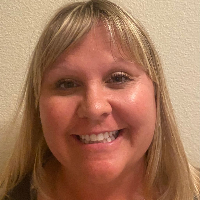
- Warm and interactive
- Coaching style tasks
- Goal oriented
About Christine
Her style is warm and interactive. She often treats therapy like coaching, encouraging small tasks between sessions to build momentum. Humor appears in sessions when it can help ease tension and bring perspective to difficult moments.
Christine uses straightforward methods people can understand. She blends client-centered work with cognitive behavioral strategies and skills from dialectical behavior therapy. She also uses motivational interviewing and existential ideas to help people clarify values and set meaningful goals.
Clients can expect a goal-oriented approach that balances listening with practical steps. Christine sometimes prefers written messaging because it gives people more time to think and respond. That format is part of how she helps people digest feedback and plan next steps.
Her background includes nearly two decades working with mood disorders, addiction, life transitions, divorce, and family-related concerns. Christine supports people who want to work on self-esteem, career shifts, parenting stress, trauma recovery, and coping with major life changes. To begin, she asks people to complete a short questionnaire and schedule according to availability.
Areas of expertise
Primary focus
Also works with
Additional focus areas
Therapeutic approaches
Experience
18+ years
Credentials
Colorado, Florida, Kansas
Languages
English
How her approaches translate to online therapy
Client-Centered Therapy focuses on listening closely and helping people find their own solutions; online this looks like sessions where the therapist reflects what matters most and follows the person's lead. Cognitive Behavioral Therapy (CBT) breaks problems into thoughts, feelings, and actions and uses targeted exercises to shift patterns; online CBT often includes written exercises and homework people can do between sessions. Dialectical Behavior Therapy (DBT) teaches practical skills for managing strong emotions and improving relationships, with short skills coaching and practice applied to daily life.Finding the right approach is something to do together. The therapist will talk with each person about goals, history, and what feels useful. Together they decide whether to emphasize CBT skills, DBT strategies, client-centered listening, or a mix depending on needs and preferences.
The biography notes a preference for messaging and live messaging as helpful ways to give people time to think and respond, so confirm current online session options before booking. Online work can make it easier to fit therapy into a busy day, allow for shorter check-ins when needed, and let people use written exercises and messaging to reflect between sessions. These practical benefits can help therapy feel more manageable while working toward real goals.
Frequently asked questions
What kinds of problems does she help with?
She supports people facing stress, anxiety, addictions, grief, mood disorders, career questions, relationship and intimacy concerns, and parenting strain among other issues.
What is her therapeutic style like?
Her style is warm, interactive, and often coaching-oriented, with practical tasks between sessions and the occasional use of humor to ease difficult topics.
How long has she been practicing?
She brings 18 years of professional experience working across mood disorders, addiction, life transitions, divorce, and related concerns.
What credentials and location are listed?
She holds LPC and LCPC credentials and is located in Colorado as a licensed clinician.
Which languages and international options are supported?
Sessions are offered in English and she accepts international clients.
What session formats are used?
The original biography highlights a preference for messaging and live messaging work; confirm current session options before booking.
How does cost work for sessions?
Cost varies with location and therapist availability, and sessions use a subscription that can be canceled at any time.
How do I get started with her?
Click the Start Therapy button, complete a short matching questionnaire, and schedule according to the therapist's availability.