- Addictions and grief
- Career and life transitions
- Anxiety and stress
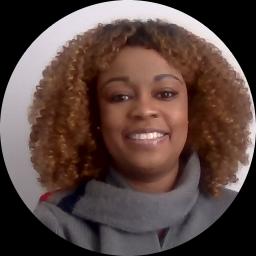
About Tovakyshe
He brings five years of formal clinical experience alongside a longer history in human services. In sessions he focuses on practical steps and personal values. Conversations aim to make change feel manageable rather than overwhelming.
His style is straightforward and collaborative. He uses methods that encourage acceptance, clarity, and small concrete shifts. Clients can expect a mix of listening, reflective feedback, and hands-on strategies to try between meetings.
Tovakyshe draws on Acceptance and Commitment Therapy to help people clarify what matters to them and act on those values. Cognitive Behavioral Therapy helps identify patterns of thought and behavior that keep problems going. Motivational Interviewing supports clients who are ready to change but feel stuck.
He also uses client-centered and mindfulness approaches to create space for people to tell their story and learn new ways to respond to stress. His background includes work with geriatric populations, foster and blended homes, military families and veterans, teens with academic or custody concerns, and people affected by abuse, neglect, or abandonment. Tovakyshe welcomes questions about whether his approach fits a particular concern.
Areas of expertise
Primary focus
Also works with
Additional focus areas
Therapeutic approaches
Experience
5+ years
Credentials
North Carolina
Languages
English
How therapy approaches shape online care
Acceptance and Commitment Therapy (ACT) focuses on clarifying personal values and taking steps toward them even when feelings are difficult. It can help with anxiety, depression, career decisions, and coping with life changes. Cognitive Behavioral Therapy (CBT) looks at the links between thoughts, feelings, and behavior and teaches practical skills to change unhelpful patterns. It is often used for anxiety, stress, and low mood. Motivational Interviewing helps people move through ambivalence about change by exploring their own reasons and strengths in a collaborative way.Choosing the right approach is a shared process. The therapist works with each person to identify goals and prefers to adjust methods as those goals evolve. Clients can expect to discuss what feels most useful and to try different tools until a good fit emerges.
Confirm the specific session options before booking since formats are not listed here. Online therapy can make it easier to fit sessions into a busy life, shorten commute time, and allow for check-ins that work around work or caregiving responsibilities. It also lets people use sessions from quieter surroundings or pick a shorter appointment when time is limited. A therapist will discuss practical scheduling and session length when you set up the first meeting.
Frequently asked questions
What concerns does Tovakyshe address?
He supports people with addictions, grief, self-esteem, coping with life changes, ADHD, stress, anxiety, LGBT issues, relationships, family challenges, trauma and abuse, anger, career concerns, depression, and compassion fatigue.
How would you describe his therapeutic style?
His approach is collaborative and straightforward, focusing on practical steps and personal values. Sessions blend listening with concrete strategies to try between meetings.
What is his clinical background?
He has five years of clinical experience as an LCSW and a longer history working in human services across several community settings.
Where is he licensed and based?
He is a licensed clinical social worker (LCSW) licensed in North Carolina.
Which languages are supported?
Sessions are offered in English.
Does he work with international clients?
International clients are not currently accepted.
How are session costs handled?
Cost varies with location and therapist availability; sessions use a subscription that can be canceled at any time.
How do I begin working with him?
Choose the Start Therapy button, complete a short matching questionnaire, and schedule according to the therapist's availability.