- Person-centered approach
- Focus on recovery
- Practical skill-building
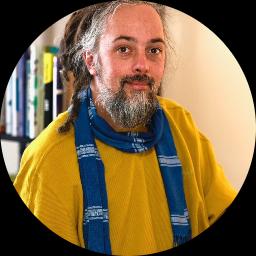
About Thomas
He uses a person-centered stance that puts the client's experience first. That means listening closely, asking direct questions, offering honest feedback, and naming patterns that get in the way of progress. Thomas draws on approaches such as dialectical behavior ideas and narrative work to help people rewrite difficult stories about themselves.
Before licensure he graduated from Montreat College and then spent several years working in a recovery-focused therapeutic community. That setting shaped his approach to addiction, bipolar and serious mood conditions, and long-term recovery efforts. He emphasizes warmth, empathy, and sometimes constructive confrontation when it helps a person move forward.
Practically, Thomas focuses on problems of overcontrol, perfectionism, all-or-nothing thinking, and resistance to feedback. He helps people practice more openness and flexibility so they can take different steps toward meaning and relationships. His goal is to help people change patterns so daily life feels more manageable and purposeful.
Thomas frames therapy as collaborative work. He supports people as they test new behaviors, reflect on setbacks, and build the skills needed for lasting change.
Areas of expertise
Primary focus
Also works with
Additional focus areas
Therapeutic approaches
Experience
4+ years
Credentials
North Carolina
Languages
English
How Thomas's Approaches Work Online
Thomas blends client-centered work with elements from dialectical behavior therapy and existential or narrative ideas. Client-centered work means the conversation follows the person’s concerns and priorities while the therapist reflects what he hears and helps set goals. Dialectical behavior therapy techniques focus on building emotion regulation, distress tolerance, and interpersonal skills useful for anxiety, addiction, and mood problems. Narrative and existential ideas help people examine the stories they tell about themselves and find meaning when facing loss or big life changes.Finding the right approach is part of the work together. Thomas will talk with each person about their needs, goals, and what feels most useful. He treats the choice of methods as collaborative and will adjust the mix of strategies as progress unfolds.
If you are considering online therapy, confirm the current session options before booking. Online work can make it easier to fit appointments into a busy week, reduce travel time, and allow shorter check-ins when schedules demand. It can also make practicing new skills between sessions simpler, because exercises and homework can be done where daily life happens. Ask about the formats offered so you can pick the arrangement that best fits your routine and comfort.
Frequently asked questions
What concerns does Thomas commonly address?
He works with stress, anxiety, depression, bipolar, addictions, grief, trauma, intimacy issues, sleeping problems, anger, and career concerns, plus related areas like attachment and codependency.
How would you describe his therapeutic style?
Thomas uses a person-centered style that combines empathy with honest feedback. He also draws on DBT-informed techniques and narrative approaches to help people test new ways of living.
What is his professional background?
He graduated from Montreat College and worked for several years in a recovery-based therapeutic community before achieving full licensure, bringing experience with major mental health challenges and addictions.
What credentials and location are listed?
He holds the LCMHC credential in North Carolina and practices there as a licensed clinical mental health counselor.
Which languages are supported for sessions?
Sessions are offered in English.
Does he work with international clients?
He is not currently accepting international clients.
How are sessions paid for and what does cost look like?
Cost varies with location and therapist availability; sessions use a subscription that can be canceled at any time.
How do I begin working with him?
Select the Start Therapy button, complete a short matching questionnaire, and schedule according to therapist availability.