- Strengths based
- Trauma aware
- Career focus
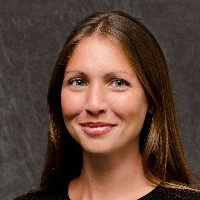
About Taryn
She uses a positive, strengths-based approach in sessions. That means she looks for what is already working and builds on it while addressing problems that cause pain. She helps people who have experienced trauma and abuse to reduce its impact on daily life and relationships.
Dr. Stevenson brings more than two decades of clinical experience to her work. Her background includes long-term support for people facing bipolar symptoms, eating concerns, anger, and substance issues. She has also supported people navigating how family life shifts after major events.
Her practice has included work with veterans and their families around deployment, reunion, and post-traumatic stress effects. She aims to help each person find practical steps toward the life they want, whether that means clearer boundaries, coping strategies, or new ways to connect with others.
Clients can expect an approach that mixes goal-focused conversation and real-world strategies. She invites people to set clear goals and to try manageable changes between sessions. Over time the small shifts are intended to add up to clearer direction and more satisfying daily routines.
Areas of expertise
Primary focus
Also works with
Experience
22+ years
Credentials
Florida, Georgia, Mississippi, Maine, Ohio
Languages
English
Evidence-based techniques and online care
Dr. Stevenson relies on evidence-based therapeutic techniques that focus on practical change. One common approach she uses is a strengths-based method that helps people spot what already works and build on it to reduce stress and improve mood. This approach can be helpful for people managing anxiety, depression, or low self-esteem.She also uses trauma-aware methods to address the effects of past abuse or distressing events. These methods aim to reduce the ways trauma interferes with relationships, daily routines, and a person’s sense of safety. For challenges like grief, relationship strain, or the aftereffects of deployment, this work is often gradual and paced to each person’s needs.
Finding the right approach is a collaborative process. The therapist will talk with the person about goals, preferences, and day-to-day limits, then adapt techniques to fit. Clients are invited to give feedback so the focus can shift as goals change.
Session formats were not specified in the biography, so confirm current options before booking. Online therapy can make it easier to fit sessions into a busy life, reduce travel time, and offer more flexible scheduling around work or parenting. It can also allow for shorter check-ins when plans are tight and let people try approaches from their everyday settings rather than an unfamiliar office.
Frequently asked questions
What concerns does she often address?
She helps people with stress, anxiety, depression, grief, relationship concerns, addictions, anger, eating issues, bipolar patterns, parenting and career questions.
How would you describe her therapeutic style?
She uses a positive, strengths-based approach that looks for practical steps and small changes people can use between sessions.
What is her clinical background?
She has 22 years of experience working in clinical settings and community care, including several years supporting veterans and their families.
What credentials and location are listed?
She holds LMHC and LPCC credentials and practices in Florida.
Which languages are supported and can she see international clients?
Sessions are offered in English and she is not currently accepting international clients.
What session formats are available?
The original biography does not list specific session formats; please confirm current session options before booking.
How does pricing work?
Cost varies with location and therapist availability; sessions use a subscription that can be canceled at any time.
How do I begin working with her?
Select the Start Therapy button, complete the short matching questionnaire, and schedule based on therapist availability.