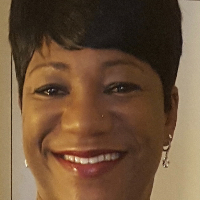
- Warm and direct style
- Skill focused
- Works with addiction
About Sharon
She trained in social work after completing an undergraduate degree in sociology and criminal justice and then a Master of Social Work. Sharon has worked in outpatient settings and led groups for substance use relapse prevention, anger management, conflict resolution, and parenting. She has experience as a certified substance abuse counselor and as a prescreener who responds to crisis and de-escalation situations.
Sharon’s style is direct but warm. She focuses on mind, body, and spirit and keeps conversations practical and focused on everyday life. Sessions emphasize clear skills and real steps that can be used between meetings.
Her approach draws on several evidence-based methods including cognitive behavioral strategies, acceptance and commitment ideas, attachment-focused thinking, client-centered conversation, and elements of dialectical behavior techniques. These tools are chosen to match a person’s goals and situation.
Sharon collaborates with each person to set goals and track progress. She encourages straightforward talk about what is working and what needs to change. People who want structured skill-building alongside open, honest conversation may find her approach helpful.
Areas of expertise
Primary focus
Also works with
Additional focus areas
Therapeutic approaches
Experience
6+ years
Credentials
Virginia, District of Columbia
Languages
English
How Sharon’s Methods Translate to Online Work
Acceptance and Commitment Therapy (ACT) helps people notice unhelpful thoughts and choose actions that match their values. It is useful for anxiety, stress, and making life changes. Cognitive Behavioral Therapy (CBT) focuses on spotting patterns of thinking and trying practical changes in behavior to reduce symptoms like anxiety or depression. Attachment-Based Therapy looks at how early relationships shape current bonds and can help with trust, intimacy, and relationship conflict.Finding the right approach is part of the work. Sharon will discuss different methods and cooperate with the client to pick techniques that fit individual goals and preferences. This is a collaborative process where methods are adjusted as progress is tracked.
The practical benefits of working online are that therapy can fit more easily into a busy week and reduce travel time for appointments. Online sessions can make it simpler to check in during a work break, join from a different location, or avoid camera use if that feels better. Session formats were not specified in the biography, so confirm available online options before scheduling. Licensed professionals and therapists often use a mix of conversational coaching, skill-building exercises, and short between-session tasks that translate well to remote work.
Frequently asked questions
What concerns does Sharon help with?
She supports people facing stress, anxiety, depression, bipolar symptoms, addiction, trauma, relationship strain, grief, self-esteem struggles, career questions, parenting stress, and intimacy-related issues.
How would you describe her therapeutic approach?
Her style is open and honest while remaining warm and relatable. She mixes practical skill work with conversational, client-centered sessions.
What experience does she bring to sessions?
She has six years of outpatient experience, has run groups for relapse prevention and anger management, and has worked with crisis prescreening and de-escalation.
What credentials and region are listed for Sharon?
She holds LICSW and LCSW credentials and is licensed in Virginia.
Which languages are supported and are international clients accepted?
Sessions are offered in English and international clients are accepted.
What session formats are offered?
Session formats were not specified in the biography; please confirm current session options before booking.
How does billing and cost work?
Cost varies with location and therapist availability; sessions use a subscription that can be canceled at any time.
How do I begin working with Sharon?
Select the Start Therapy button, complete the short matching questionnaire, and schedule according to therapist availability.