- Relationship-centered care
- Career and life transitions
- Grief and trauma support
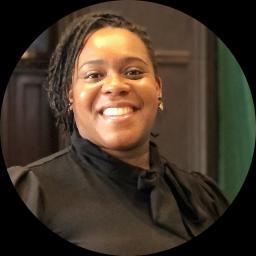
About Sarah
With 14 years of experience, Sarah centers the relationship in therapy. She builds rapport through time and trust and uses a mix of practical methods to meet real-life needs. Clients can expect straightforward conversations that use humor and thoughtful listening to make progress.
Her work draws on attachment-based ideas to look at relationship patterns and client-centered techniques that follow the person’s lead. She also uses cognitive behavioral strategies to identify thoughts and behaviors that get in the way, plus solution-focused and motivational tools to set achievable steps. These approaches are applied to concerns such as trauma and abuse, parenting and family problems, addiction, ADHD, and compassion fatigue.
Sarah often explores family history and life events as part of planning treatment. Typical strategies include grief work, role play, stress and crisis management, and building communication and social skills. The aim is to help people manage change, rebuild confidence, and move toward clearer goals.
She offers services in English and Haitian Creole. People who want to begin can follow the site’s process to match with her and schedule a session.
Areas of expertise
Primary focus
Also works with
Additional focus areas
Therapeutic approaches
Experience
14+ years
Credentials
Connecticut, Florida
Languages
English, Haitian Creole
How her approaches translate to online work
Sarah uses attachment-based and client-centered approaches to focus on the relationship and what matters to each person. Attachment-based work looks at patterns in close relationships and how those early patterns affect current behavior. Client-centered work follows the person’s lead, honoring their goals and pace while the therapist listens and reflects.She also uses cognitive behavioral techniques to help people notice unhelpful thoughts and try different behaviors. CBT is useful for anxiety, mood concerns, and practical problem solving when someone wants tools to manage day-to-day stress.
Choosing the right approach is part of the work. She will talk with each person about goals, preferences, and what feels most useful. Together they decide which methods to try and adjust steps based on what helps.
Confirm the specific session options before booking, since formats are not listed here. Online sessions can make it easier to fit therapy into a busy life, reduce travel time, and allow shorter check-ins when needed. Therapists and licensed professionals commonly use these benefits to help people keep therapy consistent alongside work and family commitments.
Frequently asked questions
What kinds of problems does she help with?
She works with stress, anxiety, depression, grief, trauma and abuse, relationship and communication problems, self-esteem and motivation, career concerns, addiction, ADHD, and caregiver or compassion fatigue.
What is her style of therapy?
Her style is relationship-centered and collaborative. She uses humor, listening, and practical exercises to help people take steps toward their goals.
How much experience does she have?
She has 14 years of professional experience working with a range of life challenges and has developed practical skill using several therapeutic methods.
What credentials and location are listed?
She holds a Licensed Clinical Social Worker credential and practices in Connecticut with the designation LCSW.
Which languages are supported?
Sessions are offered in English and Haitian Creole.
Can international clients work together with her?
She is not currently accepting international clients.
How much do sessions cost?
Cost varies with location and therapist availability; sessions use a subscription that can be canceled at any time.
What are the first steps to begin therapy?
Use the Start Therapy button, complete a short matching questionnaire, and schedule according to therapist availability.