- Practical approach
- Career and life focus
- Veteran-informed
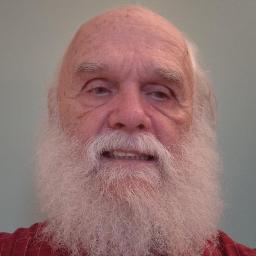
About Preston
Preston draws on approaches like Acceptance and Commitment Therapy, client-centered work, and cognitive behavioral methods to meet people where they are. He has worked in private practice, community mental health clinics, inpatient mental health, and substance abuse settings. That range shapes a flexible style that can adapt to different challenges.
His background includes lengthy military service in the US Army, both active duty and National Guard, and many years as a Military Family Life Counselor working with service members at Fort Bragg and other sites. Those experiences inform how he understands stress, trauma, and the effects of service on daily life.
Preston also attends to issues that often accompany long-term stress, such as sleep problems, chronic pain and illness, grief, and compassion fatigue. He supports people exploring gender and sexual identity, including work around gender dysphoria, BDSM and kink, and LGBT-related concerns.
Outside of practice he is married and has a large family including children and grandchildren. He describes a personal connection to the natural world that guides his outlook, and he brings that grounded perspective into his work with clients.
Areas of expertise
Primary focus
Also works with
Additional focus areas
Therapeutic approaches
Experience
35+ years
Credentials
Virginia, North Carolina
Languages
English
Therapeutic approaches that translate to remote work
Acceptance and Commitment Therapy (ACT) encourages noticing thoughts and choosing actions that match values. It can help with anxiety, depression, life changes, and finding direction in work or relationships. Client-Centered Therapy focuses on listening and reflecting so a person can clarify wants and needs in their own words; it supports self-esteem and identity work. Cognitive Behavioral Therapy (CBT) looks at how thoughts and behaviors interact and teaches practical skills to reduce symptoms like worry or low mood.Finding the right approach is part of the therapy process. Preston will collaborate with each person to see which methods fit best with their goals and preferences. That means trying strategies, checking what helps, and adjusting the plan together over time.
The original biography does not list specific online session formats, so confirm the available options before booking. Online work can make it easier to fit therapy into a busy schedule, reduce travel time, and allow for shorter check-ins when needed. It also makes working with a licensed professional possible across distances, which can be helpful for clients balancing career demands or relocation.
Frequently asked questions
What kinds of concerns does Preston address?
He works with stress, anxiety, depression, addictions, career questions, relationship and intimacy issues, eating concerns, bipolar disorder, grief, trauma and many related topics.
What is his general therapeutic style?
Preston uses a mix of Acceptance and Commitment Therapy, client-centered methods, and cognitive behavioral techniques to keep sessions practical and goal-focused.
How long has he been practicing?
He brings 35 years of clinical experience from settings that include private practice, local mental health clinics, inpatient mental health, and substance abuse treatment.
Where is he licensed and based?
He is a licensed clinical social worker (LCSW) practicing in Virginia with licensure noted as NC LCSW and VA LCSW in his background.
Which languages are supported for sessions?
Sessions are offered in English, and he also accepts international clients.
What session formats are available?
The original biography does not list specific session formats; please confirm current session options before booking.
How are fees and payment handled?
Cost varies with location and therapist availability; sessions use a subscription that can be canceled at any time.
How do I begin working with him?
Select the Start Therapy button, complete a short matching questionnaire, and schedule according to therapist availability.