- Client-centered focus
- Trauma informed care
- Career support
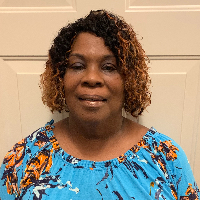
About Poythress
She helps people facing stress, anxiety, depression, anger, and substance-related concerns. Poythress also supports those dealing with trauma and abuse, grief, relationship strain, and issues around self-esteem and parenting. Career concerns are part of her focus, alongside work with bipolar disorder and ADHD.
Her practice blends client-centered work with other methods such as cognitive behavioral therapy, dialectical behavior therapy, EMDR, and mindfulness approaches. In sessions she evaluates stressors, identifies goals, and teaches coping skills that can be used between meetings. Treatment plans are developed collaboratively and adjusted as needs change.
Poythress has worked with adoption and foster care matters, blended family challenges, aging and caregiver stress, and veteran and armed forces issues. She also brings experience addressing addictions and substance use within broader mental health care. Her goal is to offer clear guidance and practical skills so people can move toward greater stability.
People meet her in a warm, welcoming atmosphere where the focus is on realistic steps and steady progress. To begin, clients complete a short matching questionnaire and schedule sessions according to the therapist's availability.
Areas of expertise
Primary focus
Also works with
Additional focus areas
Therapeutic approaches
Experience
27+ years
Credentials
Virginia
Languages
English
How therapy approaches translate to online work
Poythress uses client-centered therapy, which focuses on listening and responding to each person's needs. This approach emphasizes respect, empathy, and helping people set their own goals. Cognitive Behavioral Therapy, or CBT, looks at patterns of thought and behavior and teaches practical skills to manage anxiety, depression, and stress. Dialectical Behavior Therapy, DBT, combines skill training in emotion regulation, distress tolerance, and interpersonal effectiveness to help with strong emotions and relationship conflicts.Finding the right approach is part of the work together. The therapist will review concerns, goals, and preferences and recommend which methods to try first. That plan can change over time as progress is made and needs shift, and decisions about techniques are made collaboratively.
The biography does not list specific session formats, so confirm the available online options before booking. Many clients find online sessions helpful because they fit into busy schedules, cut travel time, and can make it easier to keep regular appointments. Online work also lets the therapist assign between-session exercises, check in on skill practice, and use structured tools like CBT worksheets or DBT skills coaching to support progress.
Frequently asked questions
What concerns does this therapist address?
Poythress works with stress, anxiety, depression, and addictions. She also focuses on trauma and abuse, grief, relationship issues, parenting, career concerns, bipolar disorder, and ADHD.
What is the overall therapy style?
The approach is client-centered and direct. Sessions mix practical skill-building with therapies like CBT, DBT, EMDR, and mindfulness depending on need.
How much experience does the therapist have?
She brings 27 years of experience across residential, case management, outpatient, in-home, and addictions settings.
What credentials and location are listed?
The therapist is an LPC - Licensed Professional Counselor - practicing in Virginia.
Which languages are supported and can international clients join?
Sessions are offered in English. International clients are not currently accepted.
What session formats are available?
Session formats are not specified in the biography. Please confirm current session options before booking.
How are sessions priced?
Cost varies with location and therapist availability. Sessions use a subscription that can be canceled at any time.
How do I begin working with this therapist?
Select the Start Therapy button, complete a short matching questionnaire, and schedule according to the therapist's availability.