- Warm collaborative care
- Practical coping skills
- Focus on life goals
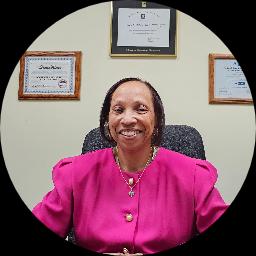
About Loretta
She uses a warm, interactive style that centers the person's own strengths and choices. Sessions are collaborative - she listens, asks practical questions, and offers feedback to help people notice patterns and try new behaviors. Her emphasis is on dignity and respect, not labels.
Loretta draws on client-centered methods and cognitive behavioral techniques to address thinking habits and everyday coping skills. She also uses motivational interviewing to build commitment and solution-focused ideas to set concrete steps toward goals. Trauma-focused methods are included when past hurts need careful attention.
Across her practice she aims to tailor plans to each person’s needs, whether the focus is managing panic attacks, coping with chronic pain or navigating life changes. She describes therapy as a journey that asks for courage and steady effort, and she partners with clients to develop tools that support lasting progress.
Her approach is practical and person-led, with attention to real-life results like better mood, clearer communication, and renewed purpose. Prospective clients should confirm current session options when scheduling.
Areas of expertise
Primary focus
Also works with
Additional focus areas
Therapeutic approaches
Experience
20+ years
Credentials
North Carolina, South Carolina, Nevada, Arizona
Languages
English
How her approaches shape online work
Client-Centered Therapy centers the person’s own goals and values. The therapist listens deeply and helps clients use their strengths to decide what to change and how to act. Cognitive Behavioral Therapy (CBT) focuses on how thoughts affect feelings and actions, and it uses straightforward exercises to change unhelpful thinking and behavior. Motivational Interviewing helps people find their own reasons to change and builds commitment through gentle, goal-focused conversation.Finding the right approach is part of the early work. The therapist will talk with each person about their situation, goals, and preferences, then recommend methods to try. Sessions are collaborative - plans can be adjusted as needs and progress become clearer.
Confirm the specific session options before booking because this profile does not list formats. Online therapy can make it easier to fit sessions into a busy life, for example by avoiding travel or fitting a shorter check-in during a break. It also lets people use interventions like CBT worksheets, motivational exercises, and solution-focused goal setting without rearranging their entire day. Licensed professionals can adapt techniques to work well over distance, and the therapist will help decide how to structure sessions so they match a person’s routine and goals.
Frequently asked questions
What kinds of concerns does Loretta address?
She works with common struggles such as stress, anxiety, depression, bipolar symptoms, panic, anger, addictions, relationship and intimacy issues, and career questions. Chronic pain, illness, and feelings of isolation are also noted focus areas.
How would you describe her therapeutic style?
The style is warm, interactive, and supportive. Sessions emphasize listening, practical feedback, and using a person’s strengths to set achievable steps.
What is her background and experience?
She has 20 years of counseling experience and has worked with adults facing mood, trauma, and life-transition challenges.
What credentials and region are associated with this therapist?
Credentials listed are LPC and LCPC. She practices from North Carolina.
Which languages does she offer sessions in?
Sessions are offered in English. International clients are not currently accepted.
What session formats are available?
Please confirm current session options before booking, since specific formats are not listed in the profile.
How are sessions priced?
Cost varies with location and therapist availability; sessions use a subscription that can be canceled at any time.
How do I begin working with her?
Select the Start Therapy button, complete a short matching questionnaire, and schedule according to therapist availability.