- Client-centered approach
- Practical coping skills
- Career and life transitions
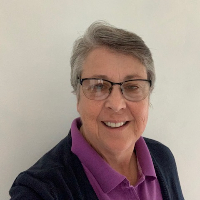
About Kathy
She uses a client-centered style that puts the person's goals first. That means sessions focus on what matters most to the individual, and the pace is set together. Kathy draws on cognitive behavioral techniques to identify unhelpful thinking and build new habits. She also uses problem-solving and humanistic ideas to shape day-to-day coping strategies.
Clients who face mood disorders, bipolar symptoms, trauma, or attachment concerns related to adoption may find this approach useful. Kathy has experience with grief, bariatric support before and after surgery, anxiety related to performance, and challenges that follow military service. She also addresses issues such as sleep, self-esteem, relationship struggles, and compassion fatigue.
Sessions aim to be interactive and focused, with room for listening and practical feedback. Motivational interviewing and solution-focused strategies are added when people need direction or help making a change. The therapist works collaboratively to set clear, achievable steps between meetings.
Overall, Kathy emphasizes respect, acceptance, and compassion in the work. She encourages people to view seeking help as an important step and offers steady support while they work toward positive change.
Areas of expertise
Primary focus
Also works with
Additional focus areas
Therapeutic approaches
Experience
30+ years
Credentials
North Carolina
Languages
English
How Kathy's Approaches Work Online and in Practice
Client-centered therapy focuses on the person's own goals and experiences. The therapist listens closely and helps people clarify what they want to change and why. This approach fits many situations where building trust and clarity matters.Cognitive Behavioral Therapy, or CBT, looks at how thoughts and behaviors affect feelings. Kathy uses CBT to help clients spot unhelpful thinking patterns and practice different responses. It can be useful for anxiety, depression, and managing day-to-day stress.
Dialectical Behavior Therapy, or DBT, emphasizes skill-building around emotion regulation, distress tolerance, and interpersonal effectiveness. These skills support people coping with intense emotions or relationship strain.
Finding the right approach is part of the work together. Kathy will collaborate with each person to choose methods that match their goals, preferences, and the issues they bring. She mixes client-centered listening with concrete tools when that combination seems helpful.
If you are considering online therapy, confirm the session formats offered before booking, since specific formats are not listed in the biography. Online sessions can make it easier to fit meetings into a busy week, allow shorter check-ins, and reduce travel time. They also let people use strategies like CBT exercises and DBT skills practice between sessions to keep progress moving forward.
Frequently asked questions
What concerns does Kathy commonly address?
She helps people with stress, anxiety, depression, grief, addictions, bipolar symptoms, trauma and attachment issues. Career transitions, sleep and self-esteem are also included.
What is Kathy's therapy style like?
Her style is warm and interactive, based on mutual respect and acceptance. Sessions focus on the client's goals and practical steps to meet them.
How much experience does she have?
Kathy has 30 years of clinical experience working with a wide range of concerns and life changes.
What credentials and region are listed?
She is a Licensed Clinical Social Worker, LCSW, licensed in North Carolina.
Which languages are supported?
Sessions are offered in English and international clients are not currently accepted.
What session formats are available?
Please confirm current session options before booking, as formats are not specified in the biography.
How is cost determined?
Cost varies with location and therapist availability, and sessions use a subscription that can be canceled at any time.
How do I begin working with Kathy?
Select the Start Therapy button, complete a short matching questionnaire, and schedule according to the therapist's availability.