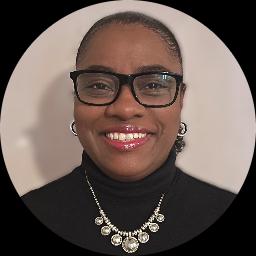
- Strength-based care
- Trauma-informed approach
- Solution-focused work
About Karen
She works from the belief that people are the experts on their own lives. Sessions aim to identify strengths, set achievable goals, and build steps toward change. Karen emphasizes a nonjudgmental space where clients can name what’s hard and try new ways of coping.
Her work includes helping people manage grief, addiction, bipolar disorder, depression, ADHD, and compassion fatigue. She also supports those facing caregiver stress, communication problems, and career concerns. Practical skills and clear strategies are often part of the plan when helpful.
Karen uses a mix of approaches tailored to the person in front of her. That can include hands-on problem solving, exploring personal narratives, or learning specific behavior skills. The aim is to match methods to a person’s goals rather than apply one fixed method.
People meet Karen to work through anger, intimacy-related concerns, panic attacks, guilt and shame, or to find direction in midlife and career transitions. She offers steady support while helping clients try concrete steps that can fit into everyday life.
Areas of expertise
Primary focus
Also works with
Additional focus areas
Therapeutic approaches
Experience
20+ years
Credentials
District of Columbia
Languages
English
How Karen’s Approaches Translate to Online Therapy
Client-Centered Therapy puts the client’s experience first and focuses on listening, empathy, and supporting the person’s own goals. It helps when someone wants a space to make sense of their story and build on existing strengths.Cognitive Behavioral Therapy, or CBT, looks at links between thoughts, feelings, and behaviors. It uses practical exercises and small experiments to change patterns that keep problems like anxiety and depression going.
Dialectical Behavior Therapy, or DBT, teaches skills for managing intense emotions, improving relationships, and tolerating distress. It can be helpful for anger, panic, and mood instability when skill-building is needed.
Finding the right approach is part of the process. The therapist will work with each person to choose methods that match their needs, goals, and preferences. Decisions about technique are collaborative and can change as progress is made.
For practical matters, confirm the therapist’s current session options before scheduling since formats are not listed in the biography. Online work can make it easier to fit therapy into a busy life, offer quicker check-ins, and reduce travel time. Phone sessions may be useful when video is not preferred, while video can allow for face-to-face conversation - pick what fits daily routines and comfort rather than expecting a single format.
Frequently asked questions
What concerns does Karen commonly help with?
She helps with stress, anxiety, relationship issues, trauma and abuse, parenting, grief, career concerns, and many other challenges listed in her specialties.
What is her general therapy style?
Her work is trauma-informed, strength-based, and solution-focused, combining practical problem solving with attention to each person’s story and strengths.
How much experience does she have?
She has 20 years of professional experience providing clinical services in the District of Columbia.
What credential does she hold and where is she based?
She is a LICSW, licensed in the District of Columbia.
Are sessions offered in other languages or internationally?
Sessions are offered in English and she is not currently accepting international clients.
What session formats does she offer?
Please confirm current session formats before booking, as the biography does not list specific delivery methods.
How are fees handled?
Cost varies with location and therapist availability, and sessions use a subscription that can be canceled at any time.
How do I begin working with her?
Select the Start Therapy button, complete a short matching questionnaire, and schedule according to therapist availability.