- Client-centered approach
- Trauma and grief support
- Career and life transitions
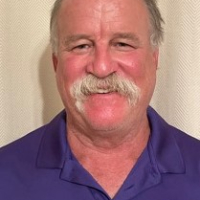
About David
He uses a client-centered foundation, adding other methods to meet specific needs. That means sessions focus on the person first, then draw on techniques from cognitive behavioral therapy, dialectical behavior therapy, and emotionally-focused work when useful. The goal is practical change through conversations that feel honest and supportive.
David has long experience in grief, loss, and trauma work, and he has supported people facing PTSD and acute stress in both military and civilian contexts. He also addresses a wide range of concerns such as anxiety, depression, relationship and intimacy issues, parenting stress, career questions, and challenges linked to identity or body image.
He emphasizes collaboration when planning treatment, and aims to avoid stigmatizing labels. The approach centers on helping people find their own strengths and unlock the changes they want. Sessions are meant to feel compassionate and focused on clear next steps.
If someone is ready to begin, David asks them to start by completing the initial matching questionnaire and scheduling a time that works for them. This helps shape the first sessions and the plan moving forward.
Areas of expertise
Primary focus
Also works with
Additional focus areas
Therapeutic approaches
Experience
7+ years
Credentials
Florida, Florida
Languages
English
Approaches that guide online therapy
David often blends client-centered work with targeted methods to address present problems and emotions. Client-centered therapy focuses on listening and building a trusting relationship, so the person leads the pace and topics while the therapist offers empathy and reflection. Cognitive behavioral therapy (CBT) looks at patterns of thought and behavior, and uses practical exercises to change unhelpful habits and reduce symptoms like anxiety or low mood. Emotionally-focused therapy (EFT) helps people notice and name strong emotions, and supports shifts in how they respond to those feelings to improve relationships and emotional balance.Choosing the right approach is part of the process. David works collaboratively to decide which methods fit a person's needs and goals, and he adjusts the plan as therapy progresses. Clients and the therapist talk through options and pick techniques that feel useful and realistic.
Confirm the available session formats before booking since the biography does not list specific online or in-person options. Many people find online sessions helpful for fitting therapy into work, family, or travel schedules, for reducing commute time, or for shorter check-in visits when needed. The focus is on making therapy practical and accessible while matching the approach to each person's everyday life.
Frequently asked questions
What concerns does David commonly address?
He helps people with grief, trauma and abuse, anxiety and depression, relationship or intimacy issues, sleep and parenting strain, career concerns, and many related areas such as body image and caregiver stress.
How would you describe his therapeutic style?
His work is client-centered and warm, with an interactive style that focuses on a strong therapeutic relationship and practical steps tailored to each person.
What is his background and experience level?
He has seven years of recent practice and a long history of working in grief, loss, and trauma counseling, including experience with PTSD and acute stress in military and private individuals.
What credentials and location are listed for this clinician?
He holds LMFT and LMHC credentials and practices in Florida.
Can sessions be conducted in languages other than English or with international clients?
Sessions are offered in English, and he does accept international clients.
Which session formats are available?
Please confirm current session options before booking, as the biography does not list specific session formats.
How is cost handled for sessions?
Cost varies by location and therapist availability; sessions use a subscription model that can be canceled at any time.
What are the steps to begin working together?
Start by selecting the Start Therapy button, complete a short matching questionnaire, and then schedule sessions according to the therapist's availability.