- Practical problem solving
- Trauma and loss support
- Career and stress help
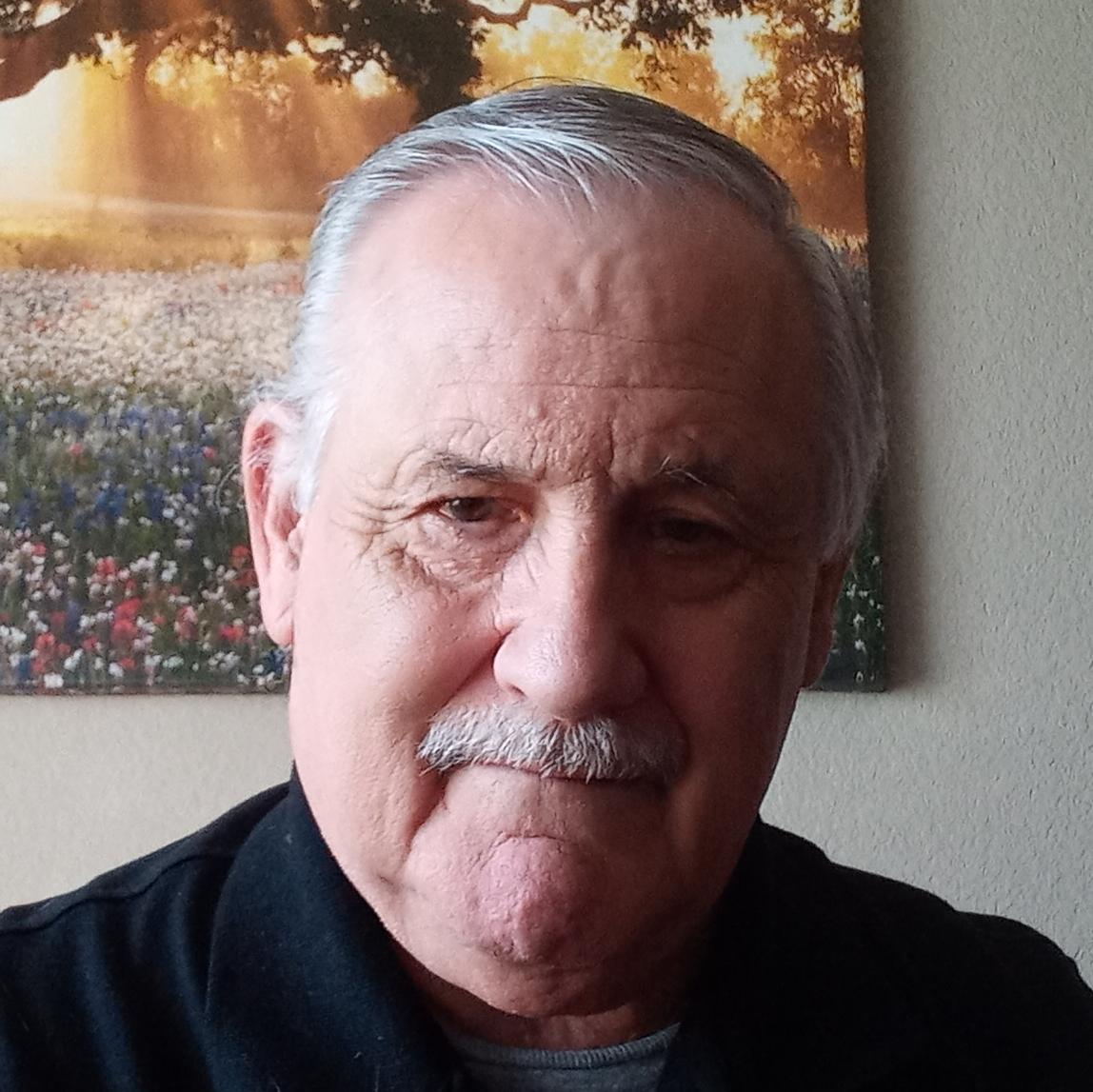
About Craig
Craig spent large parts of his career supporting employees at major institutions and members of the military community. That work exposed him to traumatic events and to common workplace and deployment-related stresses. Those experiences inform how he helps people cope with sudden change and ongoing pressure.
His way of working is relaxed and accepting. He uses motivational interviewing to clarify goals and find motivation for change. He also applies cognitive behavioral techniques to address unhelpful thinking and behavior patterns.
Sessions tend to focus on practical steps and real-world problems. Craig helps people build clearer communication, manage panic or depressive symptoms, and develop routines for better sleep and eating. He also supports people facing trauma, loss, addiction-related concerns, and identity-related stress within the LGBT community.
People who prefer a direct, problem-focused approach may find his style useful. Craig emphasizes collaboration - matching techniques to each person's goals and needs while keeping conversations down-to-earth and goal-oriented.
Areas of expertise
Primary focus
Also works with
Additional focus areas
Therapeutic approaches
Experience
35+ years
Credentials
Maryland, Texas
Languages
English
Using practical approaches in online therapy
Client-centered therapy focuses on listening and understanding a person's perspective, helping them feel heard and respected while they decide which changes matter most. Cognitive behavioral therapy breaks down how thoughts, feelings, and behaviors interact and uses specific exercises to shift patterns that cause distress. Mindfulness therapy teaches simple awareness and breathing practices that can reduce anxiety and improve moment-to-moment coping.Finding the right mix of approaches is part of the work. The therapist will collaborate with each person to choose methods that match their goals, needs, and preferences, and will adjust tactics as progress is made. That collaborative stance helps keep sessions relevant and focused on real-life change.
Confirm the available session formats before booking, as the biography does not list specific online options. Online therapy can make it easier to fit sessions into a busy schedule, shorten check-ins when needed, and offer alternatives to in-person visits when travel or timing is difficult. Many people find it simpler to attend sessions around work or family responsibilities, while still using the same therapeutic tools they would in an office setting.
Frequently asked questions
What kinds of concerns can be addressed?
He works with a wide range of issues including stress, anxiety, relationship and career concerns, grief, self-esteem, addictions, trauma and sleep or eating problems.
How would you describe the therapeutic approach?
The approach is relaxed and accepting, using motivational interviewing to set goals and cognitive behavioral techniques to change unhelpful thoughts and behaviors.
What is his professional background?
Craig has 35 years of experience, including long-term roles at large federal institutions and work with military populations and first responders.
What credentials and location are listed?
He holds LCPC in Maryland and LPC in Texas, and practices from Texas.
Which languages are sessions offered in?
Sessions are offered in English.
Are international clients supported?
International clients are not currently accepted.
How does payment and cost work?
Cost varies with location and therapist availability; sessions use a subscription that can be canceled at any time.
What should I do to begin working together?
Use the Start Therapy button, complete a short matching questionnaire, and schedule according to the therapist's availability.