- Relationship repair
- Attachment focus
- Practical tools
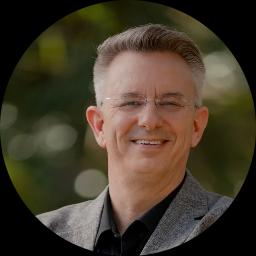
About Brian
He brings over 11 years of clinical experience and many years of pastoral work to his practice. That background shaped a calm, low-pressure style that aims to reduce reactivity and open clearer communication. Sessions tend to emphasize listening, practical steps, and small changes clients can try between meetings.
Brian uses attachment-based ideas and client-centered conversation to look at how early patterns shape present relationships. He pairs those with techniques from cognitive behavioral work and emotionally-focused methods to help people notice unhelpful thoughts and build stronger emotional bonds. The Gottman Method also informs his approach to repairing conflict and improving communication.
Clients often leave sessions with specific things to practice, like new ways to talk during disagreements or brief exercises to lower anxiety. He frames therapy as teamwork, where the person or couple sets goals and he offers tools and steady guidance.
Brian is based in Florida and works in English. He accepts international clients and aims to help people make clearer choices about relationships, careers, and emotional health.
Areas of expertise
Primary focus
Also works with
Additional focus areas
Therapeutic approaches
Experience
11+ years
Credentials
Florida
Languages
English
How core approaches shape online work
Brian uses attachment-based ideas to look at how early relationship patterns affect current bonds; this helps when people feel distant, avoidant, or stuck in repeating arguments. He also uses client-centered therapy, which centers the person's experience and priorities so sessions follow what matters most to them. Cognitive behavioral therapy (CBT) is used to spot and shift unhelpful thoughts and behaviors that keep stress and anxiety high.Choosing an approach is part of the work. Brian treats it as a collaboration where goals, needs, and preferences guide which methods are used. He will talk through options and adjust methods as progress unfolds so the plan fits the person's life and concerns.
Practical benefits of online therapy include easier fitting of sessions into a busy week and fewer disruptions for people juggling work or family. Online work can make shorter check-ins or consistent weekly meetings simpler to maintain. The biography does not list which session formats are offered, so confirm available formats before booking to match your schedule and technology needs.
Frequently asked questions
What kinds of problems does he help with?
He supports people with relationship conflict, trust issues, post-infidelity pain, trauma and abuse, intimacy concerns, anxiety, stress, self esteem, career questions, grief, parenting strain, and related topics.
How would you describe his therapy style?
Sessions focus on calm, attentive listening and practical steps. He combines reflective conversation with exercises clients can use between sessions.
What background does he bring to sessions?
He has 11 years of experience as a therapist and prior experience as a pastor, which informs a gentle, relational approach to care.
What are his credentials and where is he located?
He is a Licensed Mental Health Counselor, LMHC, licensed in Florida and practises from that state.
Are sessions offered in other languages or internationally?
Sessions are offered in English, and he accepts international clients.
What session formats are available?
The original biography does not specify session formats; please confirm current session options with the service before booking.
How is cost handled for sessions?
Cost varies with location and therapist availability, and sessions use a subscription that can be canceled at any time.
How do I begin working with him?
Select the Start Therapy button, complete a short matching questionnaire, and schedule according to therapist availability.