- Career and direction
- Anxiety and mood
- Relationship skills
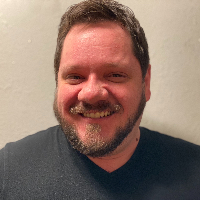
About Brandon
He favors a straightforward, client-centered style that listens first and then sets small goals together. Brandon uses tools from Cognitive Behavioral Therapy and Acceptance and Commitment Therapy to spot patterns and try different responses. He also draws on Attachment-Based and Emotionally-Focused ideas to help people understand connection and closeness.
Sessions emphasize clear skills and real-world application. Brandon helps clients practice communication, set boundaries, and plan manageable behavior changes. He supports people working through grief, divorce or separation, substance concerns, and the lasting effects of abandonment or family-of-origin issues.
With 11 years of experience, Brandon aims to create an affirming space where questions about identity, kink and alternative sex culture, or caregiving stress can be raised without judgment. He works to break problems down into steps clients can try between sessions. Many people come for help sorting priorities, improving intimacy, or finding direction in their careers.
The first meetings focus on what matters most to the person and on practical next steps. Over time, Brandon helps build routines and coping strategies that fit everyday life and long-term goals.
Areas of expertise
Primary focus
Also works with
Additional focus areas
Therapeutic approaches
Experience
11+ years
Credentials
Utah, Virginia
Languages
English
How therapeutic approaches guide online work
Acceptance and Commitment Therapy (ACT) helps people notice difficult thoughts and feelings without getting stuck in them, then commit to actions that match their values. It is useful for anxiety, depression, and making life changes. Cognitive Behavioral Therapy (CBT) focuses on identifying unhelpful thinking and testing new behaviors to reduce distress and improve daily functioning. It often helps with anxiety, mood issues, and stress management. Emotionally-Focused Therapy (EFT) looks at how emotions shape close relationships and aims to shift interaction patterns to improve connection and intimacy.Choosing the right approach is collaborative. Brandon will talk with each person about their goals, preferences, and what feels most useful. Together they decide which strategies to try and adjust the plan as progress is made.
Confirm current session options before booking to learn how sessions are delivered. Online therapy can make it easier to fit meetings into a busy schedule, reduce travel time, and allow shorter check-ins when needed. It can also help people practice communication or emotion skills between work or family commitments. Ask about the format and scheduling when you complete the matching questionnaire so sessions align with everyday life and goals.
Frequently asked questions
What kinds of problems does this therapist help with?
Brandon supports people dealing with stress, anxiety, depression, addictions, trauma and abuse, and LGBT-related concerns. He also helps with relationship and intimacy issues, parenting strain, self-esteem, career matters, and coping with life changes.
How would you describe the therapy style used?
The approach is client-centered and collaborative. Sessions focus on listening, setting small goals, and practicing concrete skills like communication and boundary-setting.
What background and experience does the therapist have?
He has 11 years of clinical experience working with a range of emotional and relational concerns. That experience informs a practical, step-by-step method of working with clients.
Where is the therapist licensed and based?
Brandon holds credentials as an LCMHC and an LPC and practices in Utah. The profile lists his professional credentials as supplied.
Which languages are sessions offered in?
Sessions are offered in English.
Can people outside the U.S. work with this therapist?
International clients are not currently accepted.
How are costs and subscriptions handled?
Cost varies with location and therapist availability, and sessions use a subscription that can be canceled at any time.
How do I begin if I want to work with this therapist?
Select the Start Therapy button, complete a short matching questionnaire, and then schedule according to the therapist's availability.