- Client-centered focus
- Practical skills
- Trauma-aware care
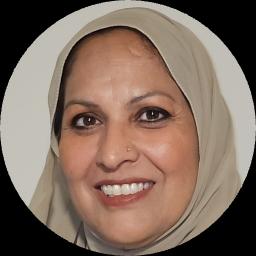
About Aabeda
Clients often come for help with anxiety, depression, trauma and abuse, and relationship or intimacy-related concerns. Career questions and compassion fatigue are also areas she supports. She pays attention to how family history and attachment patterns influence current struggles.
In the room she draws from client-centered principles that prioritize the client’s perspective and goals. She also uses cognitive behavioral strategies to identify unhelpful thinking patterns and practical skills to shift them. Narrative techniques help people reframe their stories and move toward greater self-love and forgiveness.
Her approach is collaborative and straightforward. She works with people on concrete steps they can try between sessions and checks in on what helps. Sessions focus on the client’s priorities, whether that means coping skills, managing triggers, or planning life changes.
She speaks English, Hindi, Urdu, and Bihari languages, and she accepts international clients. People interested in beginning can follow the Start Therapy process to complete a brief matching questionnaire and schedule based on the therapist’s availability.
Areas of expertise
Primary focus
Also works with
Additional focus areas
Therapeutic approaches
Experience
16+ years
Credentials
Florida, Utah, New Jersey, Maryland
Languages
English, Bihari languages, Hindi, Urdu
Therapeutic approaches for online sessions
Client-centered therapy focuses on the client’s perspective and strengths. The therapist listens deeply, reflects what matters to the client, and supports the goals the client sets. This approach is useful for building confidence and working through family or attachment issues.Cognitive behavioral therapy, or CBT, looks at how thoughts influence feelings and behavior. It teaches practical exercises and simple experiments to change unhelpful thinking and manage anxiety or depression.
Finding the right approach is part of the work. The therapist will collaborate with the client to choose methods that match goals, needs, and preferences. That can mean blending approaches and trying techniques for a few sessions to see what helps.
Confirm current session options before booking so you know how appointments are scheduled. Online work can make it easier to fit therapy into a busy day, allow shorter check-ins when needed, and reduce travel time. It also lets people continue therapy when life changes make in-person visits difficult. The focus remains on practical steps, coping skills, and the client’s priorities, whether sessions are scheduled around work, caregiving, or other demands.
Frequently asked questions
What concerns does this therapist commonly address?
She helps people with stress, anxiety, depression, trauma and abuse, relationship and intimacy issues, career questions, and compassion fatigue among other concerns.
How would you describe her therapy style?
Her style is collaborative and person-focused, using client-centered listening alongside practical techniques like cognitive behavioral strategies and narrative work.
What is her professional background?
She has 16 years of professional experience working with adults on emotional and life challenges and draws from several therapeutic approaches to meet client needs.
What credentials does she hold and where is she based?
She holds LCSW-C and LCSW credentials and practices from Florida.
Which languages are supported during sessions?
Sessions are offered in English, Hindi, Urdu, and Bihari languages.
Can international clients work with this therapist?
International clients are accepted; confirm time zone and scheduling details when arranging sessions.
How are session fees handled?
Cost varies with location and therapist availability, and sessions use a subscription that can be canceled at any time.
How do I begin if I want to schedule?
Click the Start Therapy button, complete a short matching questionnaire, and then schedule according to the therapist's availability.