
Michelle Pellin
LMHC, LPCConnecticut · 11 yrs exp
Career and life transition support
Stress, Anxiety · Parenting · Self esteem · Depression · +16 more
Read profileIndependent directory of licensed US therapists
Need help now? Call or text 988
Therapist listings are provided by BetterHelp. We will earn a commission at no extra cost to you if you use our links to buy.
Compare profiles of therapists who list Relationship and career or work stress among their focus areas. Use listed location, credentials, languages, and described approaches to find profiles that match what you want to explore, then browse those profiles to learn more.
Connecticut · 11 yrs exp
Career and life transition support
Stress, Anxiety · Parenting · Self esteem · Depression · +16 more
Read profile
Georgia · 20 yrs exp
Compassionate, practical care for life transitions
Stress, Anxiety · Addictions · Relationship · Self esteem · +12 more
Read profile
Florida · 14 yrs exp
Practical, compassionate support for life and career
Stress, Anxiety · Grief · Anger · Self esteem · +12 more
Read profile
Texas · 13 yrs exp
Compassionate LCSW focused on practical change
Stress, Anxiety · Relationship · Trauma and abuse · Anger · +11 more
Read profile
Florida · 20 yrs exp
Experienced counselor focused on addiction and life changes
Stress, Anxiety · Addictions · Relationship · Self esteem · +16 more
Read profile
South Carolina · 25 yrs exp
Compassionate counselor focused on relationships and life purpose
Relationship · Family · Intimacy-related issues · Parenting · +7 more
Read profile
Florida · 39 yrs exp
Experienced, grounded counselor with a warm style
Stress, Anxiety · Relationship · Family · Parenting · +14 more
Read profile
North Carolina · 16 yrs exp
Therapist focused on emotion and direction
Stress, Anxiety · Relationship · Trauma and abuse · Grief · +7 more
Read profile
South Carolina · 14 yrs exp
Goal-focused therapist helping you move forward
Stress, Anxiety · Parenting · Depression · Addictions · +14 more
Read profile
North Carolina · 51 yrs exp
Practical counseling for relationships and career
Relationship · Intimacy-related issues · Parenting · Self esteem · +12 more
Read profile
Georgia · 8 yrs exp
Compassionate counseling for life and career challenges
Stress, Anxiety · Relationship · Family · Grief · +11 more
Read profile
Florida · 10 yrs exp
Compassionate practical therapy for everyday challenges
Stress, Anxiety · Addictions · Anger · Depression · +12 more
Read profile
Florida · 25 yrs exp
Experienced counselor guiding practical change
Relationship · Trauma and abuse · Grief · Anger · +12 more
Read profile
Florida · 23 yrs exp
Practical, goal-focused counseling for adults
Stress, Anxiety · Addictions · Self esteem · Depression · +10 more
Read profile
Maryland · 10 yrs exp
Helpful, goal-focused counseling
Stress, Anxiety · Relationship · Family · Intimacy-related issues · +12 more
Read profile
California · 12 yrs exp
Warm client-centered therapy for life changes
Stress, Anxiety · Family · Parenting · Self esteem · +8 more
Read profile
Florida · 25 yrs exp
Experienced LMHC focused on practical support
Stress, Anxiety · Family · Grief · Self esteem · +12 more
Read profile
Maryland · 15 yrs exp
Practical counseling for life and career concerns
Stress, Anxiety · Anger · Self esteem · Depression · +9 more
Read profile
Rhode Island · 18 yrs exp
Practical, person-centered counseling for life changes
Stress, Anxiety · Relationship · Trauma and abuse · Grief · +12 more
Read profile
North Carolina · 10 yrs exp
Faith-attentive clinical social worker
Stress, Anxiety · Relationship · Family · Bipolar · +16 more
Read profile
Florida · 15 yrs exp
Practical support for relationships and life change
Relationship · Family · Intimacy-related issues · Coaching · +4 more
Read profile
New York · 9 yrs exp
Calm guidance for life and career transitions
Stress, Anxiety · Anger · Self esteem · Depression · +13 more
Read profile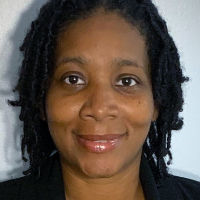
Florida · 13 yrs exp
Compassionate, practical counseling for life challenges
Stress, Anxiety · Anger · Depression · Coping with life changes · +13 more
Read profile
Florida · 3 yrs exp
Compassionate, practical counseling for life transitions
Stress, Anxiety · Family · Trauma and abuse · Self esteem · +15 more
Read profileWhen you are juggling workplace pressures, burnout, job loss, career changes, or ongoing conflict at work, issues in your relationships can both influence and be affected by those stresses. You might find that tensions with a partner, family member, or colleague make it harder to set boundaries, to rest after a long week, or to rebuild confidence at work. At the same time, changes in your job - such as a layoff, a new role, or a high-pressure environment - can shift expectations in personal relationships and create new sources of strain.
You do not have to assume a direct cause-and-effect link between work problems and relationship difficulties. Sometimes the connection is clear and immediate, and other times the overlap is subtle. The profiles on this page bring together therapists who list Relationship among their focus areas alongside career and work stress topics so you can look for clinicians who describe an interest or experience in both domains. Reading profiles helps you see how individual therapists describe the kinds of relationship and workplace concerns they engage with, and whether their stated focus aligns with what you want to address.
This specialty page groups profiles that mention Relationship in combination with career or work stress. That linkage indicates that a therapist lists those topics as areas they work with, not that they offer specific certifications, outcomes, or a particular treatment. Profiles are a starting point for understanding a clinician's focus, but they are not proof of a particular training pathway or a guarantee of any result.
Therapists do not provide recruitment, legal, HR, or financial advice and they do not find jobs. If you want help drafting a resume, negotiating a contract, pursuing a claim, or handling workplace policies, you will need to consult appropriate professionals in those fields. When you read a profile, look for language about relationship work, workplace conflict, burnout, transitions, and confidence at work to see whether a therapist describes experience that matches your goals. Remember that a listed topic does not establish that a therapist treats children, couples, or families, so you should discuss your specific needs directly with any clinician you contact.
When you are comparing profiles, think in terms of specific, concrete questions you can bring to an initial conversation or use to filter listings. You might ask whether the therapist works with people facing workplace conflict, career transitions, or job loss and how they describe that work. You can ask what they mean when they list Relationship - whether they focus on communication patterns, boundary-setting, coping with role changes, or emotional support during career transitions. You can also ask which approaches they use in practice, phrasing it as a question about what you can expect to explore together rather than as a claim of special training.
Be sure to distinguish a degree from a license. A profile may list academic credentials such as PhD, PsyD, MD, MA, or MSW. Those are degrees that describe the clinician's education. Licenses or registrations are the professional permissions that allow someone to practice in a given jurisdiction. You should verify a therapist's license and that they are permitted to work with you in your location. Ask whether they hold a current license, what type it is, and the jurisdiction where it applies. If language or cultural background matters to you, ask which languages they speak and how they describe their experience working with people from similar backgrounds.
If you plan to work with someone remotely, it helps to address practical and relational questions up front. Ask how they structure sessions, how they define goals, and what they view as reasonable early objectives for the kind of relationship and work issues you bring. Discuss how you and the therapist will approach sensitive subjects that cross work and home life, and how they handle notes, records, or information you may want kept personal. You should ask about emergency procedures and what to do if you need urgent help, noting that online care has limits and that clinicians cannot provide legal, HR, or financial services.
Because regulations vary, confirm that the therapist has permission to provide care to people in your listed location. If you are considering work on relationship issues that involve others - such as couples, family members, or colleagues - ask whether the clinician's scope includes those arrangements and how they handle boundaries and information-sharing boundaries in those contexts. Also ask about the kinds of approaches they list, such as therapists who list EMDR among their approaches or who describe cognitive-behavioral strategies, narrative work, emotion-focused techniques, or systems-oriented perspectives, and what those labels mean in their daily practice.
When you compare profiles you will want to weigh focus areas alongside practical details. Read how a clinician describes work with relationship stressors and workplace issues to see whether their language matches what you want to explore. Compare listed focus areas for phrases like workplace conflict, burnout, career transitions, job loss, confidence at work, and Relationship to identify profiles that mention the concerns most relevant to you. Look for clear descriptions of populations they work with - for example, people navigating promotion pressures, parents returning to work, or professionals facing role changes - but do not assume those descriptions include children, couples, or families unless the profile explicitly says so.
Examine credentials and distinguish academic degrees from licenses or registrations. A PhD, PsyD, MD, MA, or MSW indicates an educational credential. Licensing terms describe regulatory permission to practice and vary by jurisdiction. Verify a therapist's license type and that it covers work with you in your listed location. Consider language and cultural fit as well. If you prefer a clinician who speaks a particular language or who references experience with your cultural context, treat that as an important signal when comparing profiles. Finally, consider how a therapist describes their therapeutic style - whether they emphasize problem-solving, emotion-focused exploration, skills for workplace resilience, or support for relationship communication - and choose profiles where their described style aligns with the way you like to work.
As you move from reading profiles to reaching out to a clinician, use the concrete comparison questions you developed to guide conversations. Confirm credentials and permission to work with you in your listed location, clarify how the therapist frames relationship and workplace concerns, and discuss practical issues such as session boundaries, goals, and emergency planning. Keep in mind that a profile indicates topics a therapist lists, not a guarantee of a specific outcome or a particular credential in a technique. By focusing on clear questions about approach, experience, languages, and licensure, you can make informed choices about which profiles to explore further and find a clinician whose stated focus aligns with the relationship and career or work stress concerns you want to address.
Alabama
14 therapists
Alaska
2 therapists
Arizona
10 therapists
Arkansas
6 therapists
California
22 therapists
Colorado
10 therapists
Connecticut
7 therapists
Delaware
21 therapists
District of Columbia
31 therapists
Florida
1064 therapists
Georgia
307 therapists
Hawaii
4 therapists
Idaho
1 therapist
Illinois
12 therapists
Indiana
10 therapists
Iowa
1 therapist
Kansas
2 therapists
Kentucky
10 therapists
Louisiana
13 therapists
Maine
1 therapist
Maryland
154 therapists
Massachusetts
3 therapists
Michigan
10 therapists
Minnesota
3 therapists
Mississippi
5 therapists
Missouri
8 therapists
Nebraska
1 therapist
Nevada
4 therapists
New Hampshire
3 therapists
New Jersey
13 therapists
New Mexico
3 therapists
New York
22 therapists
North Carolina
408 therapists
Ohio
12 therapists
Oklahoma
3 therapists
Oregon
4 therapists
Pennsylvania
23 therapists
Rhode Island
2 therapists
South Carolina
201 therapists
Tennessee
10 therapists
Texas
36 therapists
Utah
5 therapists
Vermont
3 therapists
Virginia
182 therapists
Washington
4 therapists
West Virginia
33 therapists
Wisconsin
2 therapists
Wyoming
1 therapist