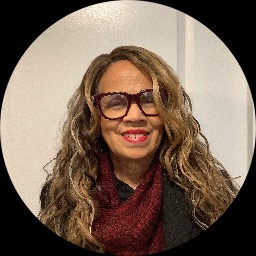
- Client-centered approach
- Skills-based methods
- 20 years experience
About Zauditu
Dr. McCants keeps sessions focused and practical. She tailors conversations and plans to each person's needs. That can mean setting short-term goals for better sleep or working through patterns that affect relationships and work. Her approach includes listening first, then using tools to change unhelpful thoughts and behaviors.
Her clinical work draws on client-centered methods, cognitive behavioral techniques, and skills from dialectical behavior work. Those approaches are used to address mood concerns, stress, and coping with major life changes. She aims to help people build clearer communication and more stable daily routines.
With 20 years of practice across several states, she brings experience in both crisis moments and longer-term change. She emphasizes adapting the pace to what each person needs. That might mean hands-on skill building one week and deeper reflection the next.
Dr. McCants asks people to take the first step when they feel ready. Her style is collaborative and straightforward. She supports people as they try new ways of coping, make decisions, and move toward clearer goals.
Areas of expertise
Primary focus
Also works with
Additional focus areas
Therapeutic approaches
Experience
20+ years
Credentials
District of Columbia, Georgia, Illinois
Languages
English
How her approaches guide online therapy
Client-centered therapy prioritizes the person's experience and needs. The therapist listens closely and follows the client's lead to build trust and focus sessions on what matters most. This approach helps when people need space to talk through values, relationships, or emotional pain.Cognitive Behavioral Therapy, or CBT, looks at how thoughts and behaviors affect feelings. It uses practical exercises to change unhelpful thinking and build new habits, which can help with anxiety, depression, sleep, and coping at work or home.
Dialectical Behavior Therapy, or DBT, teaches concrete skills for managing intense emotions and improving communication. It can be useful for people who want better stress management, more stable relationships, or stronger coping tools during big life changes.
Choosing the right approach is a collaborative process. The therapist will help figure out which methods fit a person's needs, goals, and preferences, and adjust the plan as progress is made.
Confirm the session formats offered before booking, since they are not specified here. Online therapy can make it easier to fit sessions into a busy life - for example, shorter check-ins during a workday or steady weekly meetings without travel time. Talk with the therapist about scheduling and what will work best for your routine.
Frequently asked questions
What concerns does she help with?
She supports people facing relationship challenges, trauma and abuse, intimacy issues, depression, anxiety, bipolar disorder, sleep problems, grief, self-esteem concerns, parenting stress, career questions, and related life changes.
How would you describe her therapeutic style?
Her style is collaborative and practical. She listens first, then helps build skills and plans tailored to each person's goals.
What experience does she bring to sessions?
She has 20 years of professional experience working with a wide range of concerns from crisis moments to long-term change.
What credentials and location are listed?
She holds the LICSW and LCSW credentials and is based in Georgia.
Which languages are supported and are international clients accepted?
Sessions are offered in English. International clients are not currently accepted.
What session formats are available?
Confirm current session options before booking, as formats are not specified in the profile.
How are costs handled?
Costs vary by location and therapist availability; sessions use a subscription that can be canceled at any time.
How do I begin working with her?
Use the Start Therapy button, complete a short matching questionnaire, and schedule according to the therapist's availability.