- Person-centered care
- Mindfulness tools
- Practical coping skills
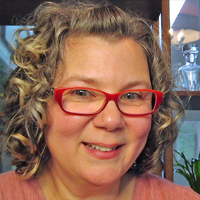
About Tanya
Tanya listens to learn what matters to each individual and avoids relying on labels. She tailors sessions to match the person in front of her and adapts plans as needs shift. Mindfulness tools such as guided breathing and meditation are often used to help calm stress and improve focus.
Her background includes work supporting end-of-life planning, hospice-related concerns, caregiving stress, and issues that arise from natural or human-caused disasters. She also brings experience addressing isolation and life-purpose questions, and supporting people coping with intellectual disability within broader care contexts.
Sessions emphasize simple skills people can use outside therapy. Tanya blends client-centered conversation with elements of cognitive behavioral and solution-focused methods to identify patterns and try small steps for change. Trauma-informed ideas guide support when past harm affects daily life.
People who choose her often want a steady listener who also offers practical techniques. She helps clients think through next steps, whether that means new coping habits, clearer priorities, or planning for transitions related to aging, caregiving, or career direction.
Areas of expertise
Primary focus
Also works with
Additional focus areas
Therapeutic approaches
Experience
26+ years
Credentials
North Carolina
Languages
English
How her approaches translate to online work
Tanya uses client-centered principles that focus the conversation on what matters most to the person. This means sessions start with listening and reflecting so goals and priorities emerge naturally. It helps when someone needs support with life purpose, caregiving stress, or adjusting to big changes.She also uses cognitive behavioral therapy ideas to help identify unhelpful thinking patterns and test small behavior changes. CBT techniques can be useful for anxiety, stress, and improving everyday routines. Mindfulness practices such as guided breathing and short meditations are another tool she brings into sessions to reduce reactivity and build attention skills.
Choosing the right approach is a collaborative process. Tanya will work with each person to pick methods that match their goals and preferences, and she adjusts the plan over time based on what works. The early sessions often focus on practical steps and simple skills to try between meetings.
Session formats are not specified in the biography, so confirm current options before booking. Online therapy can make it easier to fit sessions into a busy week, allow shorter check-ins when that suits a schedule, or reduce travel time for people balancing caregiving or work. Licensed professionals can use these methods effectively in remote care while centering the person’s priorities.
Frequently asked questions
What issues does Tanya commonly address?
She supports people dealing with stress, anxiety, grief, self-esteem, compassion fatigue, trauma and abuse, and career concerns. Additional focuses include caregiving stress, aging and geriatric issues, end-of-life and hospice-related topics, isolation, and life purpose.
How would you describe her therapeutic style?
Her style is person-centered, warm, and reflective. She listens to learn what matters and adapts sessions to each person rather than relying on fixed labels.
How much experience does she have?
She has 26 years of experience working in social work and counseling settings with a wide range of concerns including grief, trauma, and caregiver stress.
What are her credentials and where is she based?
She holds the credential LCSW, and practices in North Carolina.
Which languages are supported for sessions?
Sessions are offered in English.
Can people outside the United States work with her?
She is not currently accepting international clients.
How are sessions scheduled and what does therapy cost?
Cost varies with location and therapist availability and sessions use a subscription that can be canceled at any time. Specific scheduling and cost details appear during sign-up.
How do I begin working with her?
Click the Start Therapy button, complete a short matching questionnaire, and schedule according to therapist availability.