- Practical techniques
- Goal focused
- Hospice experience
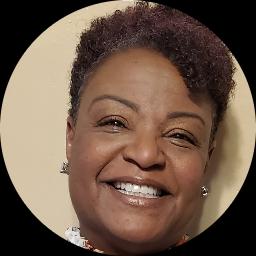
About Martrell
Her background includes work in hospice, bereavement, foster care, adoption, disability services, and educational settings. That variety shaped how she sees problems: as connected to relationships, roles, and everyday demands. In sessions she listens for strengths and patterns that can be built on, not just symptoms to label.
Martrell helps people who are dealing with stress, anxiety, grief, depression, trauma and abuse, and anger. She also supports those facing relationship and intimacy-related issues, self-esteem struggles, career questions, and compassion fatigue. Hospice and end-of-life counseling are noted focus areas she brings experience in.
Her style blends straightforward conversation with practical tools. Clients can expect to talk through recent struggles, try small changes between sessions, and review what helps. The emphasis is on improving daily functioning and building resilience over time.
If someone wants to begin, the process starts with an initial match and scheduling. Martrell works collaboratively to set goals and adjust methods as needs evolve.
Areas of expertise
Primary focus
Also works with
Additional focus areas
Experience
7+ years
Credentials
South Carolina, Maryland
Languages
English
How therapeutic approaches translate to online care
Evidence-based approaches often used in practice include brief skills training and grief-focused counseling. Brief skills training teaches specific tools for managing stress, anxiety, and anger - for example breathing, grounding, and behavior changes that can reduce overwhelm. Grief-focused counseling helps people process loss, identify meaningful memories, and build routines that support daily functioning after bereavement.Finding the right approach is part of the work. The therapist will collaborate with each person to identify which methods fit their goals and preferences. That means trying techniques, getting feedback, and adjusting the plan as progress or setbacks occur.
If you are interested in online sessions, confirm the exact formats offered before booking since the biography does not list them. Online work can make it easier to fit therapy into a busy schedule, shorten appointment-related travel time, and allow quick check-ins when life gets hectic. It can also let someone choose sessions that match their energy for video, phone, or message-based work if those formats are available. The focus remains on practical tools that translate into everyday routines rather than on the delivery method itself.
Frequently asked questions
What concerns can be addressed in sessions?
She supports people coping with stress, anxiety, grief, depression, trauma and abuse, anger, self-esteem difficulties, relationship and intimacy-related issues, career concerns, compassion fatigue, and life transitions. Hospice and end-of-life counseling are also a focus.
How would you describe the therapy style?
Expect a practical, conversational style that highlights strengths and small, doable changes. Sessions combine listening with exercises and strategies clients can try between meetings.
What is Martrell's professional background?
She has seven years of experience in behavioral and mental health plus work in hospice, bereavement, foster care, adoption, disability services, and education settings.
What credentials and location are listed?
She holds LISW-CP in South Carolina and LCSW-C in Maryland, and is based in South Carolina.
In which languages are sessions offered?
Sessions are offered in English and international clients are not currently accepted.
What session formats are available?
The original biography does not specify session formats. Confirm current session options with the platform before booking.
How is cost handled?
Cost varies by location and therapist availability; sessions use a subscription that can be canceled at any time.
What are the first steps to begin?
Use the Start Therapy button, complete a short matching questionnaire, and schedule according to therapist availability.