- Calm collaborative approach
- Trauma-informed care
- Career and life changes
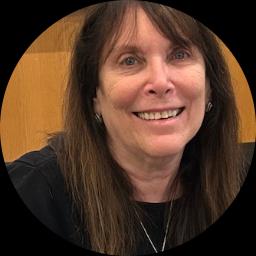
About Marla
Her work centers on listening first and building trust. She believes people are the experts on their lives and that therapy is a collaborative process. Sessions often focus on making sense of painful experiences and finding practical ways to cope day to day.
Marla draws on several approaches to meet different needs. She uses attachment-based ideas to look at how early relationships shape current patterns. She uses mindfulness practices to help people feel steadier in the moment. She also incorporates EMDR tools when trauma memories are part of the problem.
Over her career she has supported people dealing with compassion fatigue, caregiving stress, relationship and intimacy concerns, and life transitions such as divorce or loss. She also helps clients with issues like shame, codependency, and questions about life purpose.
People who prefer a calm, steady listener and practical coping tools often find her style a good match. The first step is a short matching questionnaire to connect goals with the session plan and schedule that follows.
Areas of expertise
Also works with
Additional focus areas
Therapeutic approaches
Experience
40+ years
Credentials
California, North Carolina, Florida, South Carolina
Languages
English
Approach options and how they work online
Attachment-based work looks at how early relationships shape current patterns and emotional responses. Online sessions using this approach often focus on understanding connection styles and practicing new ways of relating to others. Client-centered therapy centers the person’s experience and priorities; sessions emphasize listening, validation, and building the strategies a client finds most useful. Eye Movement Desensitization and Reprocessing, or EMDR, is a trauma-focused method that helps people process distressing memories and reduce their emotional charge when those memories come up.Choosing the right approach is a collaborative process. The therapist will discuss goals, preferences, and what feels manageable. Together they will try methods that match the client’s needs and adjust as the work progresses.
The biography does not list specific online formats, so confirm current session options before booking. Many people find online therapy helpful for fitting sessions into a busy life, shortening commute time, and maintaining continuity during transitions. It can also make it easier to schedule a brief check-in or a longer session depending on what the day allows. Licensed professionals aim to match practical scheduling with the therapeutic approach to keep progress moving forward.
Frequently asked questions
What concerns does she commonly address?
She works with stress, anxiety, trauma and abuse, grief, compassion fatigue, relationship and intimacy issues, self esteem, and career questions. Additional areas include caregiver stress, codependency, and life purpose.
What is her therapeutic style like?
Her style is collaborative and person-centered. She listens first, helps people name strengths, and then builds practical coping steps together.
How much experience does she have?
She has 40 years of professional experience working in counseling and related settings. That background informs a steady, experienced approach to difficult issues.
What credentials and location are listed?
She holds LPC and LPCC credentials and practices in California. The profile lists those designations as provided.
Which languages are supported for sessions?
Sessions are offered in English. International clients are accepted.
What session formats are available?
The source biography does not specify session formats. Confirm current session options before booking to be sure they fit your needs.
How is cost handled?
Cost varies with location and therapist availability. Sessions use a subscription that can be canceled at any time.
How do I begin working with her?
Click the Start Therapy button, complete a short matching questionnaire, and then schedule according to therapist availability.