- Client-centered listening
- Practical coping tools
- Career clarity work
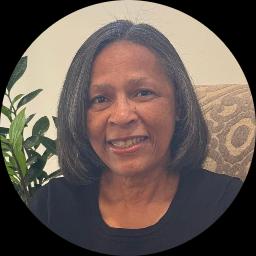
About Glenda
She also meets with professionals facing career transitions and job-related challenges. Conversations aim to clarify goals, sort options, and build small plans that move toward clearer decisions. Work often includes tackling self-doubt and sharpening communication for the workplace.
Glenda creates a warm, nonjudgmental space where people can say what they’re feeling and be heard. She listens for how values and cultural background shape choices, then adapts suggestions to fit each person. The pace and goals are set together so the work stays relevant to real life.
Her sessions blend client-centered listening with practical techniques from cognitive behavioral therapy and solution-focused work. That means time both to process feelings and to try doable changes between sessions. Many clients use that mix to manage stress, improve self-esteem, or move through relationship and parenting concerns.
Glenda encourages realistic steps rather than big leaps. She helps people identify next actions they can take right away and checks progress each visit. To start, she asks about goals, current challenges, and what a better week would look like.
Areas of expertise
Primary focus
Also works with
Additional focus areas
Therapeutic approaches
Experience
4+ years
Credentials
North Carolina
Languages
English
How her approaches guide online work
Glenda uses client-centered therapy and cognitive behavioral therapy to guide her work. Client-centered therapy focuses on listening closely and reflecting what matters to the person so they can find their own answers. Cognitive behavioral therapy looks at thoughts and behaviors together and helps people try practical experiments to reduce anxiety and improve mood.Choosing an approach is a team effort. She will talk with each person about their goals, worries, and daily life, then recommend ways of working that feel realistic. Together they check progress and shift the plan when needed so the approach stays useful.
The biography does not list specific session formats, so confirm available online options before booking. Online sessions can make it easier to fit therapy around work, reduce commute time, and allow shorter check-ins when schedules are tight. Many people find that meeting remotely helps them keep consistency during busy periods while still working on career decisions, stress, or relationship concerns.
Frequently asked questions
What concerns does Glenda help address?
She supports people with stress, anxiety, relationship issues, parenting strain, self-esteem, life changes, and career questions. Additional focuses include communication problems, divorce and separation, forgiveness, life purpose, money and financial issues, and self-love.
What is her therapy style like?
Her style blends client-centered listening with practical tools from cognitive behavioral therapy and solution-focused techniques. Sessions mix listening, problem solving, and concrete action steps to try between visits.
How much experience does she have?
She has four years of clinical experience working with people through transitions, anxiety, and career-related stress.
What are her credentials and where is she located?
She holds the credential LCMHC, which stands for licensed clinical mental health counselor, and practices in North Carolina.
Which languages are supported and do you take international clients?
Sessions are offered in English. International clients are not currently accepted.
What session formats are offered?
The original biography does not list specific session formats. Please confirm current session options before booking.
How does billing and cost work?
Cost varies with location and therapist availability; sessions use a subscription that can be canceled at any time.
How do I begin working with her?
Use the Start Therapy button, complete a short matching questionnaire, and schedule according to therapist availability.