- Client-centered support
- Focused skill work
- Grief and trauma help
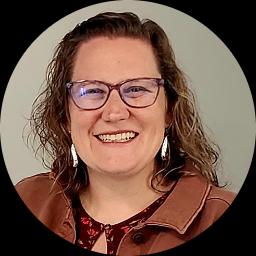
About Amanda
Her approach blends client-centered care with practical tools from cognitive behavioral and solution-focused methods. She listens first, then helps clients try small changes that can make daily life easier. Sessions often focus on improving communication, managing intense feelings, and building routines that support recovery.
Amanda has worked in community and residential settings, including youth and family programs and faith-based counseling centers. That background includes intake assessments, crisis response, group facilitation, and work with people coping with trauma and loss. She also has experience supporting those impacted by deployment and military life in previous roles at Ft. Carson.
In sessions she balances direct skill-building with time to tell your story. She emphasizes collaboration, asking clients what matters most and setting goals together. She also brings familiarity with grief work, trauma-focused techniques, and approaches that help people find purpose after major life changes.
Clients can expect a respectful, nonjudgmental space where faith may be part of the conversation when it matters to them. Amanda encourages people to be active partners in therapy and to bring questions about how the work can fit into their everyday lives.
Areas of expertise
Primary focus
Also works with
Additional focus areas
Therapeutic approaches
Experience
10+ years
Credentials
North Carolina
Languages
English
How Amanda’s Approaches Fit Online Care
Amanda uses client-centered methods that begin with listening to each person’s priorities and goals. This approach helps shape sessions around what matters most, whether the focus is on relationships, grief, or career decisions.She also uses cognitive behavioral therapy, which looks at how thoughts, feelings, and actions interact and teaches practical skills for managing anxiety and low mood. Narrative therapy is another tool she uses to help people reframe difficult stories and find new meaning after loss or trauma.
Choosing the right approach is part of the work. Amanda collaborates with clients to decide which methods to try first, checks in about what is helping, and adjusts the plan as goals change. That teamwork helps make sure the therapy fits the person rather than forcing a single method.
Session formats are not listed here, so confirm available online options before scheduling. Online work can make it easier to fit therapy into a busy life, reduce travel time, and allow shorter check-ins when needed. Talk with Amanda about practical needs like scheduling, session length, and what will help you use the skills between meetings.
Frequently asked questions
What concerns does Amanda address?
She helps people with stress, anxiety, relationship issues, trauma and abuse, grief, depression, parenting, career questions, and related concerns such as codependency and communication problems.
What is her therapeutic style like?
Amanda combines client-centered listening with practical techniques from cognitive behavioral, narrative, solution-focused, and trauma-focused approaches to help clients set concrete goals and try new coping strategies.
How much clinical experience does she have?
She brings ten years of professional experience working in community, residential, and faith-based settings with adolescents, adults, and couples.
What are her credentials and where is she located?
She holds an LCMHC license in North Carolina and practices in that state.
Can sessions be conducted in other languages or internationally?
Sessions are offered in English and she is not currently accepting international clients.
What session formats are available?
Session formats are not specified here; please confirm current options before booking so you know whether phone, video, or other formats are offered.
How does pricing work for sessions?
Cost varies with location and therapist availability; sessions use a subscription model that can be canceled at any time.
How do I start therapy with Amanda?
Use the Start Therapy button, complete the short matching questionnaire, and schedule sessions according to therapist availability.